Comparing FIFA World Cup 2026 Stadiums: Facilities, Capacity and Fan Experience
The global football community is buzzing with anticipation as North America prepares to host the most expansive tournament in sporting history. For the first time, forty-eight teams will compete across three host nations: the United States, Canada, and Mexico. With sixteen iconic venues chosen to stage these highly anticipated matches, fans and analysts alike are looking closely at how these arenas stack up. Consequently, Comparing FIFA World Cup 2026 Stadiums: Facilities, Capacity and Fan Experience is essential for any supporter planning to attend, as the sheer scale, technological advancements, and varying crowd environments will define this historic event.
From the high-altitude intensity of Mexico City’s legendary grounds to the ultra-modern luxury of stadium designs in California and Texas, each location offers something completely unique. In this comprehensive guide, we will analyze the seating limits, state-of-the-art technological amenities, transport accessibility, and localized atmospheres of all sixteen venues. Therefore, whether you are following your national team or planning a multi-city tour, this deep-dive comparison will prepare you for what lies ahead in the summer of 2026.
Table of Contents
- 1. Why Comparing World Cup Venues Matters
- 2. A Country-by-Country Overview of the 16 Venues
- 3. Seating Capacity Comparison Table
- 4. Innovative Facilities and Technological Marvels
- 5. Analyzing Fan Experience and Match-Day Atmospheres
- 6. Key Takeaways for Traveling Supporters
- 7. Frequently Asked Questions (FAQ)
Why Comparing FIFA World Cup 2026 Stadiums: Facilities, Capacity and Fan Experience Matters
Before booking flights and purchasing tickets, understanding the diversity of the 2026 host venues is incredibly valuable. This tournament is unlike any prior edition due to its vast geographical layout, spanning four distinct time zones and multiple climate regions. On one hand, you have historic, football-first cathedrals designed specifically for intense atmosphere. On the other hand, you have massive, multi-purpose, high-tech arenas originally engineered for American football.
Therefore, when Comparing FIFA World Cup 2026 Stadiums: Facilities, Capacity and Fan Experience, we must consider how these structural differences impact everything from acoustics to visibility. For instance, stadiums with retractable roofs allow for climate control, which is crucial during hot summer months. Meanwhile, open-air, high-altitude stadiums demand different physical preparation from players and offer a distinctly passionate environment for spectators. Ultimately, evaluating these factors ensures that fans know exactly what to expect from their match-day experience.
A Country-by-Country Overview of the 16 Venues
To fully appreciate the scope of this historic event, we must break down the venues by their respective host nations. Each country brings its own unique flavor, infrastructure, and architectural vision to the global stage.
United States: The High-Tech Giants
The United States is hosting matches in eleven cities, relying primarily on massive National Football League (NFL) stadiums. Because these arenas regularly host large-scale events, they feature some of the most advanced spectator facilities in the world.
For example, Dallas Stadium (AT&T Stadium) in Arlington, Texas, is an architectural marvel. It is renowned for its massive retractable roof and one of the largest center-hung high-definition video displays in sports. Dallas Stadium will host nine matches, including a crucial semi-final, accommodating around 94,000 spectators per game. Consequently, when we look at Comparing FIFA World Cup 2026 Stadiums: Facilities, Capacity and Fan Experience, Dallas stands out as a frontrunner in raw scale and luxury.
Similarly, MetLife Stadium (New York/New Jersey Stadium) in East Rutherford is set to host the highly coveted World Cup Final on July 19, 2026. Although it lacks a retractable roof, its impressive capacity of approximately 82,500 and proximity to New York City make it a premier venue.
In contrast, SoFi Stadium (Los Angeles Stadium) represents the cutting edge of modern sports architecture. Featuring a translucent, canopy-style roof and the revolutionary double-sided “Infinity Screen,” it delivers an unparalleled visual experience, though its seating capacity is slightly lower at around 70,000.
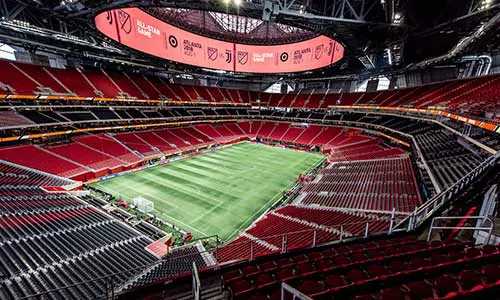
Additionally, Mercedes-Benz Stadium in Atlanta offers a spectacular retractable roof that opens like a camera aperture, alongside a 360-degree halo board that wraps around the entire interior. Other notable US venues include the famously loud GEHA Field at Arrowhead Stadium in Kansas City, NRG Stadium in Houston, Lincoln Financial Field in Philadelphia, Lumen Field in Seattle, Levi’s Stadium in San Francisco, Gillette Stadium in Boston, and Hard Rock Stadium in Miami.
Mexico: Historic Traditions and Vibrant Arenas
Mexico’s hosting duties are split among three cities, combining deep-rooted football heritage with modern upgrades.
The crown jewel of Mexican football is undoubtedly the Mexico City Stadium, globally known as Estadio Azteca. It is the first stadium to host matches in three separate World Cups (1970, 1986, and 2026). With a capacity of over 80,000, its historic importance and electric crowd energy are unmatched, though some of its older facilities are less technologically advanced than their US counterparts.
On the other hand, Estadio Monterrey (Estadio BBVA) and Estadio Guadalajara (Estadio Akron) offer highly modern alternatives. Estadio Monterrey, known for its stunning backdrop of the Cerro de la Silla mountain, accommodates over 51,000 fans and features state-of-the-art corporate boxes. Meanwhile, Estadio Guadalajara boasts a unique design where the exterior is shaped like a volcano, providing excellent sightlines for its 45,000+ spectators.
Canada: Intimate and Accessible Venues
Canada is staging its matches in two key cities, offering fans a more intimate and highly accessible stadium environment.
Vancouver Stadium, widely known as BC Place, features a magnificent cable-supported retractable roof and a central high-definition scoreboard. Having undergone major renovations, it accommodates roughly 52,497 fans, blending urban convenience with excellent pitch-side visibility.
Meanwhile, Toronto Stadium (BMO Field) is the smallest venue of the tournament, with an expanded capacity of around 43,000. Located right on the shores of Lake Ontario at Exhibition Place, its open-air, steep-sided design ensures that fans are remarkably close to the action, generating a cozy yet vibrant atmosphere.
For those who are actively Comparing FIFA World Cup 2026 Stadiums: Facilities, Capacity and Fan Experience, analyzing the contrast between Canada’s intimate setups and the gargantuan American arenas is highly illuminating.
Seating Capacity Comparison Table
Seating capacity is a major talking point for this tournament, as FIFA aims to break all-time attendance records. To help visualize these differences, the table below outlines the official tournament capacities for key stadiums across the three host nations:
| Stadium Name (FIFA Name) | Host City & Country | Approx. Tournament Capacity | Notable Feature |
|---|---|---|---|
| Dallas Stadium (AT&T Stadium) | Arlington (Dallas), USA | ~94,000 | Retractable roof, giant center-hung screen |
| New York New Jersey Stadium (MetLife Stadium) | East Rutherford, USA | ~82,500 | Host of the World Cup Final |
| Mexico City Stadium (Estadio Azteca) | Mexico City, Mexico | ~80,824 | Historic venue, iconic atmosphere |
| Los Angeles Stadium (SoFi Stadium) | Inglewood (Los Angeles), USA | ~70,000+ | Translucent roof, double-sided Infinity Screen |
| Atlanta Stadium (Mercedes-Benz Stadium) | Atlanta, USA | ~68,239 | 360-degree halo display board |
| Vancouver Stadium (BC Place) | Vancouver, Canada | ~52,497 | Cable-supported retractable roof |
| Toronto Stadium (BMO Field) | Toronto, Canada | ~43,036 | Intimate, open-air downtown atmosphere |
As indicated in the table, the capacities vary significantly. This range means that the atmosphere in a smaller, packed stadium like Toronto’s will feel distinctly different from the overwhelming roar of a 94,000-person crowd in Dallas.
Innovative Facilities and Technological Marvels
The technological infrastructure of these stadiums is a major differentiator. When we dive into Comparing FIFA World Cup 2026 Stadiums: Facilities, Capacity and Fan Experience, the impact of innovative engineering becomes clear. For instance, several stadiums utilize sophisticated hybrid or natural grass conversion technologies. FIFA regulations require all matches to be played on high-quality natural grass, forcing venues like Atlanta’s Mercedes-Benz Stadium and Seattle’s Lumen Field to temporarily replace their synthetic turf with specialized natural sod systems.
Furthermore, retractable roofs play a massive role in maintaining player safety and spectator comfort. Venues in Dallas, Houston, Atlanta, and Vancouver can fully close their roofs to shield fans from the summer heat or sudden downpours. In addition, the integration of high-density Wi-Fi networks and mobile ticketing systems ensures that fans can navigate the massive concourses, order food, and share their experiences online without frustrating delays.
Moreover, sustainability is a key focus for the 2026 organizers. Arenas such as Levi’s Stadium in San Francisco and Lincoln Financial Field in Philadelphia feature extensive solar installations and water-recycling programs. Consequently, these venues prove that massive modern stadiums can still aim for a lower environmental footprint during a global tournament.
A Deeper Look into Comparing FIFA World Cup 2026 Stadiums: Facilities, Capacity and Fan Experience
If we evaluate the facilities strictly from a luxury and accessibility standpoint, there are clear standouts. Premium club lounges and VIP suites are exceptionally abundant in newer American stadiums like SoFi and Allegiant. Conversely, historic venues like Estadio Azteca emphasize cultural legacy and raw crowd participation over luxury amenities. Therefore, your enjoyment of a venue will depend heavily on whether you prioritize cutting-edge comfort or historic football charm.
Analyzing Fan Experience and Match-Day Atmospheres
Ultimately, the success of a World Cup journey depends on the match-day atmosphere and fan experience. However, this experience will vary significantly depending on the region and the design of the arena.
Sightlines and Acoustic Power
In older, soccer-specific stadiums like Estadio Azteca or Toronto Stadium, the seating bowls are built steep and close to the pitch. Consequently, this design keeps fans intimately connected to the play and traps the sound, creating a deafening wall of noise. Conversely, in larger multi-purpose US stadiums, the distance between the seats and the pitch can be slightly wider to accommodate gridiron football dimensions. Nevertheless, the sheer volume of 80,000+ passionate supporters in venues like MetLife Stadium or Arrowhead Stadium easily compensates for this, generating an overwhelming wall of sound.
Transit, Parking, and Tailgating
Transit accessibility is another crucial variable. In cities like Vancouver and Toronto, stadiums are situated close to downtown cores, allowing fans to walk, cycle, or use efficient public light rail systems. On the contrary, many American stadiums—such as AT&T Stadium in Dallas and Gillette Stadium in Boston—are located in suburban areas. While this layout limits quick public transit options, it opens up massive parking lots that are ideal for the classic American “tailgating” culture. Consequently, fans can look forward to lively pre-game barbecues and gatherings hours before kickoff.
To gain official insights on ticketing, transport, and scheduling, you can visit the FIFA Official Website. Additionally, for detailed architectural breakdowns of sports arenas, the resource at StadiumDB offers fantastic historical data on global venues.
Key Takeaways for Traveling Supporters
If you are planning to attend matches across multiple host cities, keeping several key tips in mind will greatly improve your journey:
- Plan for Diverse Climates: You might experience cool, breezy weather in Vancouver one week, followed by intense, humid heat in Miami the next. Dress in layers and stay hydrated.
- Book Transit Early: Research local transit options for each city. For suburban stadiums, consider renting a car or booking ride-shares well in advance, as surge pricing can be significant on match days.
- Check Stadium Bag Policies: Most modern North American venues enforce strict clear-bag policies. Ensure your belongings comply with stadium security guidelines to avoid delays at the gates.
- Embrace the Local Culture: Take time to experience the unique pre-match traditions of each host city, whether it is enjoying tacos in Mexico City, tailgating in Kansas City, or exploring the waterfront in Toronto.
Frequently Asked Questions (FAQ)
Which stadium has the largest capacity for the 2026 World Cup?
Dallas Stadium (AT&T Stadium) in Arlington features the largest physical capacity for the tournament, capable of hosting approximately 94,000 spectators for major matches.
Where will the 2026 FIFA World Cup Final be played?
The highly anticipated 2026 FIFA World Cup Final is scheduled to take place at the New York New Jersey Stadium (MetLife Stadium) in East Rutherford on July 19, 2026.
How will stadiums with synthetic turf adapt to FIFA grass requirements?
To comply with FIFA standards, stadiums that typically use artificial turf—such as those in Atlanta, Seattle, and Boston—are installing advanced, temporary natural grass surfaces designed to stay healthy throughout the tournament.
Which stadiums have retractable roofs?
Several venues feature retractable roofs, including Dallas Stadium, Atlanta Stadium, Houston Stadium, and Vancouver Stadium, ensuring climate control and shelter from bad weather.
Is public transportation easily available for all stadiums?
No, transit availability varies. Downtown venues like Vancouver and Toronto have excellent public transit links, whereas suburban American venues like Dallas and Boston rely heavily on car travel and parking lot shuttles.
What makes Estadio Azteca historically unique?
Estadio Azteca in Mexico City is the first stadium in history to host matches in three separate FIFA World Cups (1970, 1986, and 2026), making it a legendary cathedral of football history.