Easiest FIFA World Cup 2026 Host Cities to Travel Between
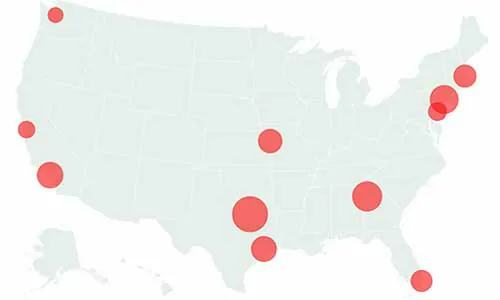
The upcoming FIFA World Cup 2026 is set to be a historic event, featuring 48 national teams playing 104 matches across three host nations: the United States, Canada, and Mexico. However, the sheer size of North America presents a unique logistical challenge for fans planning to attend multiple matches. Traveling from Vancouver to Miami or Mexico City to Boston can result in exhausting journeys and high flight costs. If you are planning your dream football trip, identifying the easiest FIFA World Cup 2026 host cities to travel between is the ultimate key to a stress-free tournament experience.
By focusing your itinerary on specific regional hubs and well-connected transport corridors, you can easily minimize travel fatigue and maximize match-day action. In this comprehensive guide, we will break down the absolute best host city clusters, compare travel times, analyze public transportation networks, and provide expert transit hacks for the tournament.
Table of Contents
- Understanding the 2026 World Cup Travel Scale
- 1. The Northeast Corridor: Boston, New York/New Jersey, & Philadelphia
- 2. The Pacific Northwest Double: Seattle & Vancouver
- 3. The Texas-Mexico Triangle: Dallas, Houston, & Monterrey
- How FIFA’s Regional Clustering Benefits Fans
- Travel Comparison Matrix for 2026 Host Cities
- Expert Hacks for Smooth Multi-City Travel
- Conclusion and Final Match-Day Preparation
- Frequently Asked Questions (FAQs)
Understanding the 2026 World Cup Travel Scale
The vast geographic layout of the 2026 tournament cannot be overstated. Spanning four distinct time zones and three massive countries, moving haphazardly between venues will lead to major burnout. For instance, a flight from Los Angeles to New York takes nearly six hours. This is longer than flying between some European capitals.
Consequently, smart route planning is absolutely critical. When looking for the easiest FIFA World Cup 2026 host cities to travel between, your goal should be to prioritize land-based transit or short, high-frequency regional flights. Doing so keeps your schedule flexible and reduces your carbon footprint during the 39-day football festival.
Fortunately, FIFA has organized the group-stage matches into geographical zones to keep travel demands manageable. However, the true secret to navigating this tournament lies in utilizing pre-existing high-speed rail lines and dense interstate highways. Let us look at the top-ranked regional corridors for the tournament.
1. The Northeast Corridor: Boston, New York/New Jersey, & Philadelphia
When analyzing the easiest FIFA World Cup 2026 host cities to travel between, the Northeast Corridor of the United States stands out as the undisputed champion. This densely populated region features three major host cities located exceptionally close to one another: Boston, New York/New Jersey, and Philadelphia.
The biggest advantage of this cluster is that you can completely avoid airports. The United States passenger rail network, Amtrak, operates high-frequency services connecting these cities directly. This makes train travel the fastest and most reliable option for sports fans.
The travel times and logistics for this specific cluster are remarkably straightforward:
- New York/New Jersey to Philadelphia: This is the easiest leg of the entire tournament. Amtrak’s Northeast Regional train takes only 1 hour and 10 minutes to travel between New York Penn Station and Philadelphia 30th Street Station.
- New York/New Jersey to Boston: The journey takes approximately 3.5 hours on Amtrak’s high-speed Acela train, or just under 4.5 hours on the standard Northeast Regional.
- Boston to Philadelphia: A direct train journey connects these two historic cities in just under 5 hours, running through spectacular East Coast scenery.
Why is the Northeast Corridor considered the ultimate layout for the easiest FIFA World Cup 2026 host cities to travel between? It is because each venue is linked to downtown city centers via solid commuter rail networks. You can easily stay in a central hotel and take public transit directly to the stadiums on match days.
For example, New York’s MetLife Stadium in East Rutherford, New Jersey, is highly accessible via NJ Transit trains from Penn Station. Similarly, Philadelphia’s Lincoln Financial Field is directly reached via the SEPTA Broad Street Subway line. Boston’s Gillette Stadium, located in Foxborough, will be served by special MBTA commuter trains running directly from Boston South Station on match days.
2. The Pacific Northwest Double: Seattle & Vancouver
In terms of cross-border trips, the easiest FIFA World Cup 2026 host cities to travel between are undeniably Seattle and Vancouver. Located just 140 miles apart, these two gorgeous coastal cities share a passionate football culture and highly efficient transit links.
If you wish to experience a truly international World Cup atmosphere without long flight times, this is the perfect pair to watch. The journey between Seattle’s Lumen Field and Vancouver’s BC Place can be completed via several highly reliable transit options.
First, the Amtrak Cascades train line is a favorite for travelers. It offers a scenic, stress-free four-hour ride along the rugged Pacific coastline, dropping you off directly in downtown Vancouver or Seattle. Second, you can rent a car and drive along Interstate 5, which typically takes around 2.5 to 3 hours.
However, when driving or taking the train, you must budget extra time for the US-Canada border crossing at the Peace Arch. To avoid long delays on match days, many fans choose to book quick, 50-minute regional flights between Seattle-Tacoma International Airport (SEA) and Vancouver International Airport (YVR).
In both cities, the stadiums are situated right next to downtown cores. Seattle’s Lumen Field is easily accessible via the local Link Light Rail. Meanwhile, Vancouver’s BC Place is just a short walk from the Stadium-Chinatown SkyTrain station. This makes getting to and from the matches incredibly simple once you arrive.
3. The Texas-Mexico Triangle: Dallas, Houston, & Monterrey
For fans looking to blend massive American stadiums with passionate Mexican football culture, the Southern pod of Dallas, Houston, and Monterrey represents an excellent travel option. Many sports travelers argue that Dallas, Houston, and Monterrey represent some of the easiest FIFA World Cup 2026 host cities to travel between due to high-frequency regional flight corridors.
Dallas (AT&T Stadium) and Houston (NRG Stadium) are located roughly 240 miles apart. Driving between these two Texas giants takes about 3.5 to 4 hours via Interstate 45. Alternatively, multiple airlines operate daily 1-hour flights between Dallas (DFW or DAL) and Houston (IAH or HOU), keeping transit times incredibly short.
Additionally, Monterrey’s Estadio BBVA is highly accessible from both Texas cities. Flight times from Houston or Dallas to Monterrey International Airport (MTY) are just over an hour. This allows you to experience the intense, carnival-like atmosphere of Mexican football matches without spending days on the road.
However, keep in mind that AT&T Stadium is located in Arlington, Texas, which lacks a direct public rail connection to downtown Dallas. You will need to rely on rideshares, rental cars, or dedicated World Cup fan shuttles. In contrast, Houston’s NRG Stadium is well-served by the METRORail Red Line. Monterrey’s Estadio BBVA is easily reached using the local Metrorrey transit system (Exposición Station).
How FIFA’s Regional Clustering Benefits Fans
To prevent teams and fans from traveling thousands of miles between games, FIFA strategically divided the 16 host cities into three geographic regions: West, Central, and East. Understanding the geography of these clusters helps fans see why certain locations are the easiest FIFA World Cup 2026 host cities to travel between compared to sprawling routes.
The three official FIFA regional zones are structured as follows:
- West Region: Vancouver, Seattle, San Francisco Bay Area, Los Angeles, and Guadalajara.
- Central Region: Kansas City, Dallas, Houston, Atlanta, Monterrey, and Mexico City.
- East Region: Toronto, Boston, New York/New Jersey, Philadelphia, and Miami.
Sticking to matches within a single geographic region is highly recommended. By mapping out the easiest FIFA World Cup 2026 host cities to travel between, you can bypass exhausting 6-hour flights and focus on enjoying the actual tournament. If you want to catch as many games as possible in a short timeframe, sticking to the easiest FIFA World Cup 2026 host cities to travel between is your best bet.
While the West Coast boasts stunning views, the East Coast holds the crown for having the easiest FIFA World Cup 2026 host cities to travel between overall. The high density of rail infrastructure in the East simply cannot be matched by the car-centric layouts of the West and Central regions.
Travel Comparison Matrix for 2026 Host Cities
To help you visual your journey, here is a detailed travel comparison matrix for the most logical host city pairings in the tournament:
| Origin City | Destination City | Approx. Distance | Best Transit Method | Estimated Travel Time |
|---|---|---|---|---|
| New York/NJ | Philadelphia | 95 miles | Amtrak Train | 1h 10m |
| New York/NJ | Boston | 220 miles | Amtrak Train | 3h 30m |
| Seattle | Vancouver | 140 miles | Amtrak Cascades / Drive | 3h 00m to 4h 00m |
| Dallas | Houston | 240 miles | Drive / Short Flight | 1h 00m (Flight) / 4h (Drive) |
| Houston | Monterrey | 500 miles | Direct Flight | 1h 15m |
| Atlanta | Miami | 660 miles | Direct Flight | 1h 45m |
When comparing transit options, identifying the easiest FIFA World Cup 2026 host cities to travel between can save you thousands of dollars in regional flight tickets. Sticking to land transit options also allows you to avoid peak-season airport delays during the hot summer months.
Expert Hacks for Smooth Multi-City Travel
To make the most of your budget, focusing your itinerary on the easiest FIFA World Cup 2026 host cities to travel between allows you to spend less on airfare and more on match tickets. However, even the easiest routes require careful planning to pull off seamlessly. Here are several expert hacks to keep in mind:
Secure Your Cross-Border Documentation Early
If you plan to travel between US, Canadian, or Mexican host cities, you must ensure your visas and entry documents are valid. For instance, a trip from Seattle to Vancouver requires cross-border clearance. International travelers will need an Electronic Travel Authorization (eTA) for Canada and an ESTA or visa for the United States. Ensure you apply for these weeks before your trip to prevent heartbreaking transit delays.
Book Your Train and Bus Tickets Months in Advance
Whether you rely on trains or regional buses, identifying the easiest FIFA World Cup 2026 host cities to travel between ensures you won’t get stuck in transit on match day. Amtrak trains along the Northeast Corridor and Pacific Northwest will see unprecedented demand. Do not wait until you arrive in the US to purchase tickets. Amtrak opens bookings up to 11 months in advance, and prices rise significantly closer to departure.
Choose Your Base City Wisely
As you map out your itinerary, remember that the easiest FIFA World Cup 2026 host cities to travel between also offer the most robust local public transportation networks. Instead of booking expensive hotels in every city, consider choosing a single central city as your base camp. For instance, you could book a hotel in Philadelphia, where accommodation is often more affordable than in New York, and take the train to MetLife Stadium on game days. This saves money and avoids the hassle of constantly unpacking bags.
Invest in a Cross-Border eSIM
Maintaining a stable internet connection is vital for retrieving tickets, calling rideshares, and translating signs. Since this tournament spans three countries, look for cross-border eSIM providers like SimCorner or GigSky. A solid North American eSIM package will keep you connected across Canada, the US, and Mexico without charging expensive roaming fees.
Conclusion and Final Match-Day Preparation
In conclusion, pinpointing the easiest FIFA World Cup 2026 host cities to travel between is the smartest decision any international fan can make. By targeting highly connected clusters like the Northeast Corridor (Boston, New York, Philadelphia) or the Pacific Northwest (Seattle, Vancouver), you can experience world-class football without the stress of endless security lines and long airport delays.
Ultimately, discovering the easiest FIFA World Cup 2026 host cities to travel between will define how relaxed you feel during this historic tournament. If you are traveling with family, selecting the easiest FIFA World Cup 2026 host cities to travel between will minimize travel fatigue for children and keep everyone in high spirits.
Do not wait until the last minute. Match tickets, hotels, and transit options are booking up fast. Head over to the official FIFA Ticketing Portal to secure your matches, and start planning your high-speed train routes via Amtrak today!
Frequently Asked Questions (FAQs)
Which are the easiest FIFA World Cup 2026 host cities to travel between without flying?
The easiest FIFA World Cup 2026 host cities to travel between without booking a single flight are New York/New Jersey, Philadelphia, and Boston. These three cities are tightly connected by Amtrak’s Northeast Corridor passenger rail, with travel times ranging from just 70 minutes to 3.5 hours directly between central city stations.
Is it easy to travel between Seattle and Vancouver for the World Cup?
Yes, Seattle and Vancouver are exceptionally easy to travel between. They are situated about 140 miles apart and are connected by the scenic Amtrak Cascades train, interstate highways, and short 50-minute regional flights. However, keep in mind that you will need to cross the US-Canada border, which requires proper visa documentation.
Does FIFA group matches to reduce travel distances for fans?
Yes, FIFA has structured the group-stage matches into three regional zones: East, Central, and West. This was done to minimize long-distance flights for teams, but fans can take advantage of these zones to plan geographic clusters and avoid traveling coast-to-coast.
What is the cheapest way to travel between East Coast host cities?
The most budget-friendly way to travel between Boston, New York/New Jersey, and Philadelphia is via regional bus lines like Greyhound, FlixBus, or Megabus. However, for a balance of speed, comfort, and reliability, booking Amtrak trains in advance is highly recommended to avoid highway traffic on busy match days.
Can I drive between Dallas, Houston, and Monterrey?
While you can easily drive between Dallas and Houston in under 4 hours via I-45, driving to Monterrey from Texas involves crossing the US-Mexico border and navigating long highways. For convenience and safety, taking a quick direct flight (roughly 1 hour) is the preferred travel method for Monterrey.
How early should I book trains and flights for the 2026 World Cup?
You should book your transit as early as possible. Flight and train demands will be at an all-time high, causing prices to soar closer to June 2026. Amtrak opens bookings 11 months in advance, and major airlines release their schedules roughly 330 days ahead of departure.