FIFA World Cup 2026 Hosts: USA, Canada and Mexico City Guide
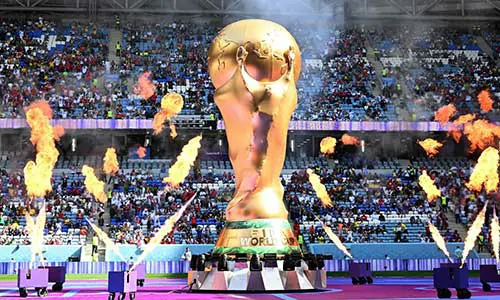
The global sports landscape is witnessing its most monumental event as the North American continent unites to present the largest tournament in football history. Spanning three massive nations, featuring an expanded roster of 48 teams, and delivering 104 matches across 16 world-class venues, this tournament is a true festival of soccer. Whether you are currently on the ground attending matches or carefully mapping out your travel itinerary across borders, having a comprehensive FIFA World Cup 2026 Hosts: USA, Canada and Mexico City Guide is vital to making the most of your journey.
In order to navigate these massive geographical distances, diverse transport networks, and distinct local match-day environments, preparation is key. Consequently, we have compiled the ultimate playbook to ensure your journey is seamless, cost-effective, and deeply rewarding. This FIFA World Cup 2026 Hosts: USA, Canada and Mexico City Guide provides the tactical details, stadium overviews, and local transit tips you need to stay ahead of the crowd.
Table of Contents
- 1. FIFA World Cup 2026: An Overview of the Historic Format
- 2. United States Host Cities & Venues
- 3. Canada Host Cities & Venues
- 4. Mexico Host Cities & Historical Venues
- 5. Essential Cross-Border Travel & Logistics Tips
- 6. Frequently Asked Questions (FAQ)
The Essential FIFA World Cup 2026 Hosts: USA, Canada and Mexico City Guide
The scale of this tournament is entirely unprecedented. Previously, the tournament hosted 32 teams playing 64 matches; on the other hand, the current expanded format welcomes 48 nations competing in 104 matches. This expansion not only allows more global talent to shine but also means that host cities are buzzing with fans for a full 39 days. To make sure you do not miss any action, the official tournament schedule is actively updated on the official FIFA website.
Furthermore, hosting duties are distributed strategically across three regions: the West, Central, and East zones. This division is designed to minimize travel fatigue for the competing teams. Similarly, for traveling fans, understanding the zonal divisions helps in planning regional hubs instead of constantly flying across the continent. To illustrate the host landscape, the table below highlights the 16 host cities, their stadiums, and their capacities:
| Country | Host City | Stadium Name | Capacity (approx.) |
|---|---|---|---|
| United States | New York/New Jersey | MetLife Stadium (East Rutherford) | 82,500 |
| United States | Los Angeles | SoFi Stadium (Inglewood) | 70,000 |
| United States | Dallas (Arlington) | AT&T Stadium | 80,000 |
| United States | Atlanta | Mercedes-Benz Stadium | 71,000 |
| United States | Miami (Miami Gardens) | Hard Rock Stadium | 64,700 |
| United States | Seattle | Lumen Field | 69,000 |
| United States | San Francisco Bay Area | Levi’s Stadium (Santa Clara) | 68,500 |
| United States | Houston | NRG Stadium | 72,000 |
| United States | Kansas City | Arrowhead Stadium | 76,400 |
| United States | Philadelphia | Lincoln Financial Field | 69,000 |
| United States | Boston (Foxborough) | Gillette Stadium | 65,800 |
| Canada | Toronto | BMO Field | 45,000 (expanded) |
| Canada | Vancouver | BC Place | 54,000 |
| Mexico | Mexico City | Estadio Azteca | 83,200 |
| Mexico | Guadalajara | Estadio Akron (Zapopan) | 48,000 |
| Mexico | Monterrey | Estadio BBVA (Guadalupe) | 53,500 |
In order to experience this tournament to the fullest, planning a region-specific trip is highly recommended. Utilizing this FIFA World Cup 2026 Hosts: USA, Canada and Mexico City Guide, let’s explore what each host nation brings to the table, starting with the eleven highly anticipated cities across the United States.
United States Host Cities & Venues
The United States boasts eleven magnificent host cities, each bringing its own cultural flair and state-of-the-art sporting infrastructure to the international stage. Because these metropolitan areas are geographically vast, mastering local logistics is critical to avoiding delays on match days.
USA Spotlights in the FIFA World Cup 2026 Hosts: USA, Canada and Mexico City Guide
To give you an insider’s edge, we have detailed five of the most highly trafficked US host hubs, their transit systems, and tips for fans:
- New York/New Jersey (MetLife Stadium): As the designated host for the grand final, this venue is the epicenter of global soccer. Located in East Rutherford, New Jersey, the stadium sits just outside New York City. Consequently, the best way to reach it is via the NJ Transit train from Manhattan’s Penn Station to Secaucus Junction, where you can transfer directly to the stadium shuttle line. To sum up, do not try to take a ride-share on match day unless you are prepared for heavy traffic congestion and surging rates.
- Los Angeles (SoFi Stadium): This architectural masterpiece in Inglewood is one of the most technologically advanced arenas in the world. However, LA’s traffic is notoriously difficult. To combat this, our FIFA World Cup 2026 Hosts: USA, Canada and Mexico City Guide strongly recommends using the LA Metro lines paired with the official stadium express shuttle buses. Additionally, exploring the nearby beach communities of Santa Monica and Venice provides a great pre-match base.
- Dallas (AT&T Stadium): Situated in Arlington, Texas, this mammoth venue with a retractable roof is scheduled to host nine matches, including a high-stakes semi-final. Because Arlington lacks a comprehensive public rail system, you must rely on pre-arranged shuttle buses, hotel-provided transit, or rental cars. Furthermore, tailgating culture in the extensive stadium parking lots is legendary, making early arrival a rewarding experience in itself.
- Miami (Hard Rock Stadium): Hosting the bronze medal match, Miami is a vibrant, multicultural hub with direct links to Latin American football culture. Since the stadium is located in Miami Gardens, traveling from downtown Miami or South Beach requires active preparation. Fortunately, using the Brightline train system combined with local stadium shuttle links offers a clean, high-speed alternative to local traffic.
- Atlanta (Mercedes-Benz Stadium): Located in the heart of downtown Atlanta, this stadium features incredible transit accessibility. In contrast to other cities, fans can take the MARTA rail system directly to the GWCC/CNN Center Station, depositing them steps from the entrance. In addition, the surrounding Centennial Olympic Park is transformed into a massive fan zone during the tournament, making Atlanta an ideal location for ticketless travelers.
Therefore, as highlighted in this FIFA World Cup 2026 Hosts: USA, Canada and Mexico City Guide, your transit success in the US depends heavily on using high-capacity public rail systems where available, or booking dedicated fan shuttles well ahead of time. For broader travel planning in the United States, you can refer to the official tourism resource Visit the USA to curate your sightseeing between matches.
Canada Host Cities & Venues
Canada welcomes the world to its clean, scenic, and deeply passionate sporting hubs in Toronto and Vancouver. While smaller in number compared to the US host list, Canada’s cities offer a welcoming, highly walkable fan experience that beautifully represents the country’s diverse culture.
In addition, this FIFA World Cup 2026 Hosts: USA, Canada and Mexico City Guide notes that Canada’s efficient municipal rail networks make navigating these host cities remarkably simple for international visitors. Let us look at the two Canadian venues in detail:
Toronto (BMO Field / Toronto Stadium)
Located at Exhibition Place along the shores of Lake Ontario, Toronto Stadium is temporarily expanded to host World Cup matches. It is easily the most intimate venue in the tournament, offering fans a close-up view of the pitch. Transit is highly convenient; the GO Transit train line stops directly at Exhibition Station, taking you from downtown’s Union Station to the stadium gates in less than ten minutes. After the match, exploring the nearby multicultural neighborhoods of King West, Liberty Village, and Queen West is highly recommended.
Vancouver (BC Place)
Nestled against a stunning backdrop of ocean inlets and snow-capped mountains, BC Place in Vancouver is an absolute gem. It features a state-of-the-art retractable roof and sits in the heart of downtown. Consequently, you can comfortably walk to the stadium from almost any downtown hotel. If you are staying further out, the automated SkyTrain network drops you off directly at the Stadium-Chinatown Station. Therefore, Vancouver offers one of the most environmentally friendly, walkable, and visually stunning matches of the entire tournament.
On the other hand, if you plan to travel between Toronto and Vancouver, remember that they are separated by over 3,300 kilometers. Flying is the only viable option for traveling between Canada’s hosts, so securing domestic flights early is essential to stay within budget.
Mexico Highlights in the FIFA World Cup 2026 Hosts: USA, Canada and Mexico City Guide
Mexico brings a level of football history and raw passion that is unmatched globally. By hosting matches in three iconic cities, Mexico becomes the first nation in history to host matches across three separate World Cup editions (1970, 1986, and 2026). The atmosphere here is carnival-like, filled with music, incredible street food, and historic landmarks.
Consequently, this FIFA World Cup 2026 Hosts: USA, Canada and Mexico City Guide emphasizes the cultural immersion awaiting fans in Mexico. Here is what you need to know about navigating Mexico’s vibrant football temples:
Mexico City (Estadio Azteca)
The legendary Estadio Azteca is a true temple of football. It has witnessed historical masterclasses by Pele and Maradona, and hosted the opening match of the current tournament. Located in the southern district of Coyoacán, the stadium can be reached via the Tren Ligero (light rail) from the Tasqueña Metro station. However, because Estadio Azteca sits at 2,240 meters above sea level, visiting fans should stay hydrated and give themselves a day or two to adjust to the altitude. Additionally, take some time to explore the historic canals of Xochimilco or the bustling markets of Roma and Condesa.
Guadalajara (Estadio Akron / Estadio Guadalajara)
Known as the cultural heartland of Mexico, Guadalajara is the birthplace of mariachi music and tequila. The modern Estadio Akron features a unique volcano-shaped exterior covered in bright green grass. It is located in Zapopan, a municipality on the western edge of the city. On the other hand, our FIFA World Cup 2026 Hosts: USA, Canada and Mexico City Guide advises fans to secure local authorized taxi services (such as app-based options) or use the dedicated match-day shuttle buses from the central metro lines, as parking can get congested.
Monterrey (Estadio BBVA / Estadio Monterrey)
Located in the northern state of Nuevo León, Estadio BBVA is arguably one of the most scenic stadiums on Earth. Nestled directly beneath the dramatic Cerro de la Silla mountain, the views of the pitch with the towering peak in the background are breathtaking. Fans can easily access the stadium via the Monterrey Metro system (getting off at the Exposición station) followed by a short, vibrant walk filled with local street vendors selling regional specialty meats. To coordinate your itinerary across Mexico, you may check out Visit Mexico for safety guidelines and regional highlights.
Essential Cross-Border Travel & Logistics Tips
Traveling across three of the world’s largest countries during a major sports event presents unique logistical hurdles. Specifically, this FIFA World Cup 2026 Hosts: USA, Canada and Mexico City Guide outlines the essential border, transit, and accommodation strategies to make your journey hassle-free.
Logistical Insights from the FIFA World Cup 2026 Hosts: USA, Canada and Mexico City Guide
To keep your journey smooth, pay close attention to these vital cross-border travel requirements:
- Visa and Entry Requirements: While the tournament is a collaborative effort, Canada, Mexico, and the United States maintain separate border controls. Consequently, you must ensure you have the proper visas or Electronic Travel Authorizations (eTA) for each nation you plan to enter. For example, entering the United States may require a B1/B2 tourist visa, while Canada requires an approved eTA for visa-exempt travelers.
- Cashless Stadium Operations: Almost all 16 host stadiums in the tournament have transitioned to fully cashless payments for concessions, food, and official merchandise. Therefore, ensure you have multiple active credit or debit cards, or download compatible mobile payment systems. Additionally, notify your bank of your travel plans to avoid card locks due to rapid international transactions.
- Weather and Clothing: Because the tournament runs through the Northern Hemisphere’s summer, temperatures vary wildly. While cities like Vancouver and Seattle offer cool, mild weather, destinations like Houston, Miami, Monterrey, and Dallas can experience intense humidity and temperatures exceeding 35 degrees Celsius (95 degrees Fahrenheit). Similarly, remember to wear sunscreen, stay hydrated, and wear lightweight, breathable fabrics.
Ultimately, keeping this FIFA World Cup 2026 Hosts: USA, Canada and Mexico City Guide bookmarked ensures you avoid typical travel pitfalls. By addressing these steps, you can focus on the match-day excitement rather than unexpected administrative issues.
Frequently Asked Questions (FAQ)
In order to address remaining queries, this FIFA World Cup 2026 Hosts: USA, Canada and Mexico City Guide includes a curated list of FAQs commonly asked by traveling fans:
Which stadiums host the opening match and the final?
The iconic Estadio Azteca in Mexico City hosted the historic opening match on June 11, 2026. On the other hand, MetLife Stadium in East Rutherford, New Jersey (representing the New York/New Jersey area) has been selected to host the grand final match on July 19, 2026.
Do I need different visas to travel between the USA, Canada, and Mexico?
Yes. There is no unified “World Cup Visa” for the 2026 tournament. You must comply with the independent entry, visa, and passport rules of the United States, Canada, and Mexico based on your nationality.
What is the most efficient way to travel between the host cities?
Given the continental scale of the tournament, flying is the most efficient way to travel between different regions. However, if you are focusing your trip on a specific zone (such as the Northeast US Corridor), Amtrak trains offer a highly comfortable and affordable alternative to flying.
Are the host stadiums cashless during the tournament?
Yes, the vast majority of the 16 host stadiums are entirely cashless. You will need to use credit cards, debit cards, or mobile wallets (like Apple Pay or Google Pay) to purchase snacks, beverages, and tournament merchandise inside the venue gates.
How does the new 48-team format work?
The expanded format places the 48 teams into 12 groups of four teams each. The top two teams from each group, along with the eight best third-place teams, advance to an all-new Round of 32 knockout stage, creating a thrilling single-elimination bracket.
Can I attend local fan zones if I do not have a stadium match ticket?
Absolutely! Every host city features official FIFA Fan Festivals and local fan zones. These zones are completely free to enter, offer giant screens to watch the games live, and feature local food trucks, musical performances, and interactive soccer events.
Conclusion: Step Onto the Grand Stage
The historic 2026 tournament represents a beautiful fusion of three cultures, making it a once-in-a-lifetime adventure for sports enthusiasts. By preparing your travel routes, confirming your visas early, and choosing localized hubs, you can seamlessly experience this massive festival of football. We hope this FIFA World Cup 2026 Hosts: USA, Canada and Mexico City Guide serves as your trusted companion as you witness soccer history unfold on the North American continent.
Are you ready to join the football celebration? Secure your regional transit tickets, download your official stadium guide app, and check the latest match schedules to start your journey today!