FIFA World Cup 2026 Stadium Guide: Locations, Capacities and Key Facts
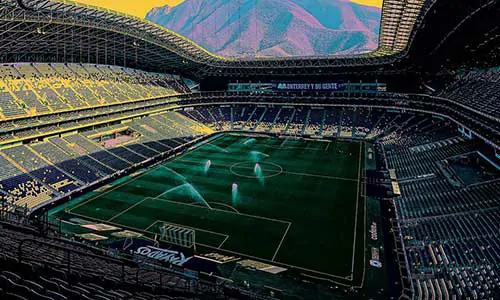
Table of Contents
- 1. Introduction
- 2. The Ultimate FIFA World Cup 2026 Stadium Guide: Locations, Capacities and Key Facts
- 3. Quick Comparison of All 16 Host Venues
- 4. Canada’s Host Stadiums
- 5. Mexico’s Legendary Arenas
- 6. United States’ Cutting-Edge Arenas
- 7. Tactical Takeaways: Travel, Altitude, and Grass
- 8. Logistics & Fan Travel Tips
- 9. Frequently Asked Questions (FAQ)
- 10. Conclusion & Matchday Preparation
The 2026 FIFA World Cup is set to be the grandest sporting spectacle in history. Spanning three massive nations—Canada, Mexico, and the United States—this groundbreaking tournament will feature 48 teams competing across 16 world-class venues. If you are preparing to experience this historic event, our comprehensive FIFA World Cup 2026 Stadium Guide: Locations, Capacities and Key Facts is your ultimate resource to navigate these incredible destinations.
Whether you are planning to book tickets, organize travel logistics, or simply follow the action from home, understanding the unique characteristics of each venue is essential. This FIFA World Cup 2026 Stadium Guide: Locations, Capacities and Key Facts covers everything from seating capacities to regional climates, helping you appreciate the diverse landscapes hosting the beautiful game.
Therefore, as football enthusiasts prepare for a festival of sport, getting familiar with these stadiums will enhance your appreciation of the tournament’s scale. In this article, we dive deep into the specific locations, seating configurations, and architectural achievements that make each arena distinct.
The Ultimate FIFA World Cup 2026 Stadium Guide: Locations, Capacities and Key Facts
To grasp the sheer size of this tournament, one must look at the geographic spread. Our meticulously researched FIFA World Cup 2026 Stadium Guide: Locations, Capacities and Key Facts provides a detailed breakdown of this monumental event. For the first time, matches will be played across four different time zones, exposing players and fans to unique environmental dynamics.
Additionally, FIFA’s strict guidelines on stadium facilities have prompted several venues to undergo extensive renovations. Consequently, elements such as pitch quality, hospitality services, and seating layouts have been carefully modified to meet international tournament standards. This means that the stadium experience in 2026 will differ significantly from standard league games.
Similarly, the historical context of these venues adds another layer of excitement. From ancient structures that have witnessed football history to modern marvels built with sustainable materials, every venue tells a story. When analyzing the FIFA World Cup 2026 Stadium Guide: Locations, Capacities and Key Facts, it is clear that each country brings its own footballing identity to the global stage.
Quick Comparison of All 16 Host Venues
Before exploring each country’s stadiums individually, it is useful to look at them side-by-side. This quick reference table summarizes the fundamental details. This comparison serves as a vital component of our FIFA World Cup 2026 Stadium Guide: Locations, Capacities and Key Facts, allowing you to see how capacities vary across North America.
| Official Stadium Name | Location | Country | FIFA Capacity |
|---|---|---|---|
| Toronto Stadium | Toronto, Ontario | Canada | 43,036 |
| BC Place Vancouver | Vancouver, British Columbia | Canada | 52,497 |
| Mexico City Stadium | Mexico City | Mexico | 80,824 |
| Guadalajara Stadium | Zapopan, Jalisco | Mexico | 45,664 |
| Monterrey Stadium | Guadalupe, Nuevo León | Mexico | 51,243 |
| New York New Jersey Stadium | East Rutherford, New Jersey | USA | 82,500 |
| Dallas Stadium | Arlington, Texas | USA | 70,649 |
| Atlanta Stadium | Atlanta, Georgia | USA | 68,239 |
| Los Angeles Stadium | Inglewood, California | USA | 70,000 |
| Seattle Stadium | Seattle, Washington | USA | 69,000 |
| Boston Stadium | Foxborough, Massachusetts | USA | 64,146 |
| Houston Stadium | Houston, Texas | USA | 72,220 |
| Kansas City Stadium | Kansas City, Missouri | USA | 76,416 |
| Miami Stadium | Miami Gardens, Florida | USA | 64,767 |
| Philadelphia Stadium | Philadelphia, Pennsylvania | USA | 69,796 |
| San Francisco Bay Area Stadium | Santa Clara, California | USA | 68,500 |
Please note that net seating capacities may experience slight adjustments before the tournament kick-off due to configuration requirements and press seating installations. However, this breakdown provides a clear scale of the tournament’s layout.
Canada’s Host Stadiums
When analyzing Canada’s role in the FIFA World Cup 2026 Stadium Guide: Locations, Capacities and Key Facts, we see that the country will host matches in two vibrant, culturally rich coastal cities. Both locations are passionate about football and ready to welcome thousands of international visitors.
Toronto Stadium (BMO Field)
Located on Toronto’s busy shoreline, Toronto Stadium is a soccer-specific venue known for its intimate atmosphere. It usually serves as the home ground for Toronto FC in Major League Soccer (MLS). For the World Cup, the stadium has undergone seat expansions to bring its tournament capacity to approximately 43,036.
Furthermore, its close proximity to downtown makes it incredibly accessible via public transit, rendering it a highly convenient spot for fans. The steep stands are also designed to place spectators extremely close to the pitch, creating an electric environment during crucial matches.
BC Place Vancouver
In contrast to the intimate setting in Toronto, BC Place Vancouver offers an architectural marvel in British Columbia. Located in the Pacific Northwest, this arena has a tournament capacity of 52,497 and is famous for its massive retractable cable-supported roof.
Historically, BC Place has hosted numerous premier sporting events, including the 2015 FIFA Women’s World Cup Final. To prepare for 2026, the venue will feature high-tech natural grass systems installed over its artificial turf. Therefore, players can expect premium pitch conditions matching the world’s highest standards.
Mexico’s Legendary Arenas
The Mexican portion of this FIFA World Cup 2026 Stadium Guide: Locations, Capacities and Key Facts showcases some of the most culturally significant venues in sports history. Mexico is a nation where football is more than just a game; it is a way of life. Consequently, visiting fans can expect an intense atmosphere in these three historic venues.
Mexico City Stadium (Estadio Azteca)
No football discussion is complete without mentioning the iconic Estadio Azteca. Standing at an altitude of over 2,200 meters, this stadium has a tournament capacity of 80,824 and has previously hosted the World Cup finals in 1970 and 1986. It is the first stadium to host matches in three separate World Cup editions.
Additionally, the legendary matches played here by legends like Pelé and Diego Maradona have turned this stadium into a sacred spot for the sport. Its bowl-shaped design traps noise, making it one of the loudest and most intimidating environments for away teams worldwide.
Guadalajara Stadium (Estadio Akron)
In Zapopan, Guadalajara Stadium is a beautiful example of modern eco-friendly architecture. This stunning arena accommodates 45,664 spectators and features a design resembling a volcano, with its outer walls covered in lush green grass.
Moreover, the structure has a fabric roof resembling a floating cloud. This design allows natural light to flood the pitch while keeping fans sheltered. It represents Mexico’s move toward highly sustainable, forward-thinking venues.
Monterrey Stadium (Estadio BBVA)
With a tournament capacity of 51,243, Monterrey Stadium is affectionately known as “El Gigante de Acero” (The Steel Giant). Completed in 2015, this modern masterpiece is situated in Guadalupe, Nuevo León, and is framed by the breathtaking Cerro de la Silla mountain.
Consequently, fans inside the stadium can view the beautiful natural landscape directly from their seats. The stadium features rapid cooling systems and top-tier amenities, ensuring complete comfort for everyone during the hot summer months.
United States’ Cutting-Edge Arenas
Moving to the United States, which hosts the majority of the matches, this FIFA World Cup 2026 Stadium Guide: Locations, Capacities and Key Facts outlines eleven elite venues across the country. These venues are mostly home to National Football League (NFL) teams and represent the pinnacle of modern sports technology.
New York New Jersey Stadium (MetLife Stadium)
Located in East Rutherford, New Jersey, this massive open-air venue boasts a capacity of 82,500 and has been chosen to host the prestigious World Cup Final. Despite not having a roof, its bowl design offers incredible sightlines from every corner.
Furthermore, its close proximity to New York City provides excellent accommodation and transport networks. Consequently, it is a perfect setting for the tournament’s final match.
Dallas Stadium (AT&T Stadium)
As highlighted in our FIFA World Cup 2026 Stadium Guide: Locations, Capacities and Key Facts, Dallas Stadium is a massive structure situated in Arlington, Texas. It features a tournament capacity of 70,649, which can be expanded to over 100,000 for specific events.
The arena is famous for its colossal high-definition video board suspended directly over the center of the pitch. Therefore, spectators are guaranteed a crystal-clear view of the action, no matter where they are seated.
Atlanta Stadium (Mercedes-Benz Stadium)
With its striking retractable pinwheel roof, Atlanta Stadium is a marvel of engineering. The venue accommodates 68,239 fans and is famous for its 360-degree halo video board that wraps around the entire interior rim.
Additionally, it is heavily committed to sustainability and is recognized as a leader in green sports venues. Its central location in Atlanta offers simple access to hotels and restaurants, making it highly fan-friendly.
Los Angeles Stadium (SoFi Stadium)
SoFi Stadium, located in Inglewood, California, is one of the most expensive sporting structures ever built. It features a translucent roof canopy and a double-sided oval video board suspended above the field, accommodating 70,000 spectators.
On the other hand, the stadium’s unique design integrates indoor and outdoor elements, utilizing coastal breezes to keep the interior cool. This structural design offers a unique premium aesthetic for the tournament.
Seattle Stadium (Lumen Field)
Renowned for its passionate crowd, Seattle Stadium has a tournament capacity of 69,000. Its unique horseshoe layout and steep vertical stands are designed to trap acoustic energy.
As a result, it produces incredibly high levels of noise. Located in the Pacific Northwest, this venue will provide visiting teams with a remarkably intense atmosphere.
Boston Stadium (Gillette Stadium)
Situated in Foxborough, Massachusetts, Boston Stadium has a capacity of 64,146. It is a classic open-air venue that features an iconic lighthouse and bridge structure in the north end zone.
The stadium has hosted several major international matches over the decades. Its location in New England offers a historic backdrop for this global tournament.
Houston Stadium (NRG Stadium)
Houston Stadium boasts a capacity of 72,220 and is highly regarded for its retractable roof and excellent air-conditioning systems. This cooling capability is essential to combat Houston’s intense summer humidity.
Therefore, both players and spectators will enjoy comfortable conditions, despite the warm outdoor environment. It is a versatile, high-tech venue designed to host premium events.
Kansas City Stadium (Arrowhead Stadium)
Recognized as one of the loudest open-air stadiums in the world, Kansas City Stadium holds up to 76,416 fans. Built specifically for optimal viewing angles, it features a classic bowl layout.
The local fans are famously passionate about sports, which ensures that games played here will have incredible energy. It remains a historical pillar of midwestern sports culture.
Miami Stadium (Hard Rock Stadium)
With a tournament capacity of 64,767, Miami Stadium is an open-air venue with a protective canopy that shields 90% of the seating area from rain and direct sunlight.
Miami’s warm, tropical summer climate will introduce a unique physical element to the games. However, the modern amenities ensure that fans can watch the action in comfort.
Philadelphia Stadium (Lincoln Financial Field)
Philadelphia Stadium holds 69,796 spectators and is highly recognized for its extensive use of renewable energy. The stadium features over 11,000 solar panels and multiple micro-wind turbines.
This environmental focus aligns perfectly with FIFA’s commitment to holding a sustainable tournament. Its location in historic Philadelphia offers fans a rich cultural experience alongside the football.
San Francisco Bay Area Stadium (Levi’s Stadium)
Located in Santa Clara, California, this stadium features a tournament capacity of 68,500. Situated in the heart of Silicon Valley, it uses advanced digital tech to enhance the spectator experience.
Additionally, it has an eco-friendly green roof and utilizes recycled materials throughout its structure. The venue enjoys pleasant coastal weather, making it a comfortable spot for summer matches.
Tactical Takeaways: Travel, Altitude, and Grass
Furthermore, our FIFA World Cup 2026 Stadium Guide: Locations, Capacities and Key Facts highlights that environmental stress plays a major role in team strategy. Because this tournament is hosted across an entire continent, teams must prepare for major shifts in altitude, humidity, and temperature.
For example, playing in the thin air of Mexico City Stadium requires careful endurance management, whereas playing in the high humidity of Miami Stadium requires a different approach to hydration and physical recovery. Teams that adapt quickest to these variations will likely see the best results.
In contrast to previous tournaments, FIFA also requires that all games be played on natural grass. This means stadiums that normally use artificial turf—such as those in Seattle, Atlanta, and Boston—are installing temporary grass surfaces. Managing these temporary pitches to ensure consistent ball roll is an ongoing project for ground crews.
Logistics & Fan Travel Tips
Consequently, our FIFA World Cup 2026 Stadium Guide: Locations, Capacities and Key Facts shows that travel planning is crucial. With matches spread across three nations, fans should carefully schedule their journeys to avoid travel fatigue.
Ultimately, booking flights, securing accommodations, and checking visa requirements for Canada, Mexico, and the USA early will save you from last-minute stress. We recommend keeping these tips in mind:
- Check Visa Rules: Make sure you have the correct documentation to cross borders if you plan on following your team across multiple countries.
- Prepare for the Weather: Summer in North America ranges from mild, breezy conditions in Vancouver to high heat and humidity in Houston and Miami. Pack accordingly.
- Use Public Transport: Many stadiums, like those in Toronto and Atlanta, offer great rail connections. Utilizing public transit can save you time and money compared to driving.
- Book Accommodations Early: Because of the high demand, hotels and vacation rentals near the host venues will book up very quickly.
Frequently Asked Questions (FAQ)
Below, we address the most common inquiries regarding the tournament, complementing our FIFA World Cup 2026 Stadium Guide: Locations, Capacities and Key Facts.
Q1: Which stadium will host the FIFA World Cup 2026 Final?
A1: The final match will be hosted at the New York New Jersey Stadium (MetLife Stadium) in East Rutherford, New Jersey, on July 19, 2026.
Q2: How many stadiums are hosting matches in the 2026 tournament?
A2: A total of 16 stadiums are hosting matches across the three countries: 11 in the United States, 3 in Mexico, and 2 in Canada.
Q3: Will the 2026 World Cup matches be played on artificial turf?
A3: No, FIFA regulations state that all matches must be played on high-quality natural grass. Stadiums that usually feature turf are installing temporary grass fields.
Q4: What is the largest stadium by capacity in the 2026 World Cup?
A4: New York New Jersey Stadium (MetLife Stadium) features the highest configured tournament capacity, accommodating approximately 82,500 spectators.
Q5: How does altitude affect matches in Mexico City?
A5: Mexico City Stadium (Estadio Azteca) sits at an altitude of over 2,200 meters. This altitude means thinner air, which causes the ball to travel faster and can increase player fatigue.
Q6: Why are some stadium names different from their standard names?
A6: FIFA’s clean-venue rules prohibit commercial sponsor names. Therefore, stadiums like BMO Field are referred to by neutral names like Toronto Stadium for the duration of the tournament.
Conclusion & Matchday Preparation
In summary, this FIFA World Cup 2026 Stadium Guide: Locations, Capacities and Key Facts highlights the immense scale and architectural variety of this upcoming tournament. From the historic atmosphere of Estadio Azteca to the modern marvel of SoFi Stadium, each venue offers a unique backdrop for the beautiful game.
Additionally, preparing for the environmental factors, long travel distances, and entry requirements of the three host nations is essential for a smooth tournament experience. By getting familiar with these locations early, you can focus on the spectacular matches ahead.
Therefore, bookmark this FIFA World Cup 2026 Stadium Guide: Locations, Capacities and Key Facts and prepare for an incredible summer of football. For the latest official ticketing information, tournament brackets, and live news updates, be sure to visit the official FIFA Website and explore the comprehensive Wikipedia World Cup Hub. See you in the stands!