FIFA World Cup 2026 Stadium Rules: Parking, Transport and Entry Policies
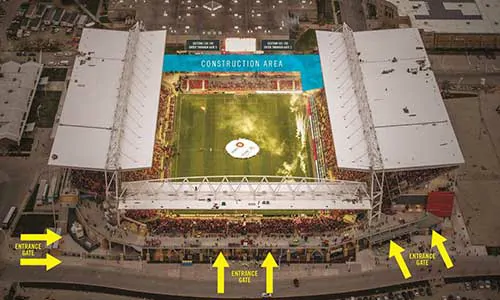
With the biggest tournament in sporting history arriving in North America, millions of football fans are preparing to descend upon 16 host cities across the United States, Canada, and Mexico. However, enjoying the matches requires more than just securing a ticket; navigating matchday logistics is crucial. For this reason, mastering the official FIFA World Cup 2026 Stadium Rules: Parking, Transport and Entry Policies is absolutely vital to ensure you do not face unexpected delays, fines, or get turned away at the gate. This comprehensive survival guide will break down everything you need to know about getting to the venues, parking restrictions, bag rules, and essential stadium entry requirements.
Table of Contents
- 1. Public Transportation Options: The Smart Way to Travel
- 2. Driving and Parking Regulations: What You Must Know
- 3. Entry Policies: Clear Bags, Security, and Prohibited Items
- 4. Food, Drinks, and Cashless Venue Policies
- 5. Accessibility and Special Services
- 6. FAQs (Frequently Asked Questions)
- 7. Conclusion and Matchday Checklist
A Guide to the FIFA World Cup 2026 Stadium Rules: Parking, Transport and Entry Policies
When reading the FIFA World Cup 2026 Stadium Rules: Parking, Transport and Entry Policies, one key recommendation is immediately obvious: public transport is the preferred method of travel. Host cities across all three co-hosting countries are investing heavily in public infrastructure to move massive crowds safely and efficiently. Consequently, taking local trains, light rails, or special event shuttle buses is highly encouraged over driving.
For instance, some stadiums are actively restricting on-site parking to minimize heavy congestion. In cities like New York/New Jersey, there is virtually zero on-site parking available for general ticketholders, making commuter rail networks the only viable option. On the other hand, cities like Los Angeles and Miami rely on extensive shuttle systems and dedicated rail lines to transport fans to their gate entrances.
Why Public Transit is Central to the FIFA World Cup 2026 Stadium Rules: Parking, Transport and Entry Policies
Opting for public transportation does not just save you money; it also saves you hours of post-match gridlock. Most major venues are implementing fast-track transit lanes specifically reserved for official buses and shuttles. This means transit users will bypass the massive traffic jams that inevitably form around the stadium parking lots.
In addition, local transit networks are scaling up their schedules to accommodate these strict requirements under the FIFA World Cup 2026 Stadium Rules: Parking, Transport and Entry Policies. Trains and light rails will run more frequently before and after matches, ensuring fans can travel safely back to their accommodations even after late-night games. Below is a breakdown of the primary transit options and estimated round-trip costs across key host venues:
| Host City & Stadium | Primary Public Transit Option | Estimated Round-Trip Cost | On-Site Parking Cost |
|---|---|---|---|
| New York/NJ (MetLife) | NJ Transit Train (Meadowlands Rail) | $10.50 (approx.) | No general on-site parking |
| Los Angeles (SoFi Stadium) | LA Metro + Dedicated Express Shuttle | $3.50 | $300.00 |
| San Francisco (Levi’s Stadium) | VTA Light Rail / BART connections | $15.00 – $25.00 | $125.00+ |
| Toronto (BMO Field) | GO Transit / TTC Subway & Streetcars | $7.00 – $15.00 | $80.00+ (Highly limited) |
| Vancouver (BC Place) | TransLink SkyTrain (Main Street-Science World) | $6.50 – $10.00 | $75.00+ (Highly limited) |
| Mexico City (Azteca Stadium) | Metro / Tren Ligero (Light Rail) | 10 Pesos ($0.60) | Variable / Limited |
Using rideshare apps like Uber or Lyft is also a popular transport choice. However, you must be aware that rideshare vehicles are not permitted to drop off or pick up passengers directly at the stadium gates. All host stadiums have established designated rideshare zones located about a 15-to-20-minute walk from the main pedestrian screening areas. Therefore, expect higher surge pricing and longer wait times after the final whistle blows.
Official Parking Under the FIFA World Cup 2026 Stadium Rules: Parking, Transport and Entry Policies
Driving to the match is possible, but it requires highly meticulous planning. Consequently, the FIFA World Cup 2026 Stadium Rules: Parking, Transport and Entry Policies enforce stringent parking limitations. You cannot simply show up on matchday and hope to buy a parking spot at the gate. Drive-up parking sales are completely banned across all official tournament venues.
Instead, all vehicle parking spaces must be reserved and paid for in advance through the official host city or FIFA parking portals. Parking lots generally open exactly four hours prior to kickoff. Tailgating regulations vary significantly depending on local municipality laws, so it is crucial to review your specific host stadium’s localized guidelines before planning a pre-game gathering.
Therefore, securing your spot ahead of time on the official portal is the most critical recommendation of the FIFA World Cup 2026 Stadium Rules: Parking, Transport and Entry Policies. If you are driving a rental car or personal vehicle, make sure your printed or digital parking pass is easily accessible on your phone before you approach the security checkpoints surrounding the stadium perimeter.
Additionally, please note that offsite private parking lots operated by independent vendors may require a 15-to-30-minute walk to reach the stadium gates. When calculating your travel itinerary, always factor in these pedestrian transit times to ensure you do not miss the national anthems or kickoff.
Entry Policies: Clear Bags, Security, and Prohibited Items
Understanding Security and Clear Bag Rules Under the FIFA World Cup 2026 Stadium Rules: Parking, Transport and Entry Policies
To prevent major delays at safety checkpoints, fans must strictly align with security procedures outlined by the FIFA World Cup 2026 Stadium Rules: Parking, Transport and Entry Policies. Security screening at the World Cup matches mimics airport security. Every individual must pass through walk-through metal detectors, and all carried personal items are subject to physical inspection and X-ray scanning.
Specifically, the FIFA World Cup 2026 Stadium Rules: Parking, Transport and Entry Policies specify that only transparent bags of certified dimensions may enter the stadium. This clear bag standard is strictly modeled after modern NFL safety regulations to accelerate queue times and maximize public safety. Any backpack, duffel bag, or large purse that is opaque will be flatly rejected.
On the other hand, non-compliant bags will be rejected at the outer perimeter. Thus, adhering to these FIFA World Cup 2026 Stadium Rules: Parking, Transport and Entry Policies avoids the nightmare of losing valuable belongings or missing kickoff while looking for a luggage locker. Keep the following approved bag dimensions in mind when packing for matchday:
- Clear Plastic, Vinyl, or PVC Bags: Must not exceed 12 x 6 x 12 inches (30 x 15 x 30 cm).
- Small Clutches or Wallets: Non-clear small wallets are permitted if they do not exceed 4.5 x 6.5 inches (11 x 16.5 cm).
- Freezer Bags: A one-gallon clear plastic freezer bag (Ziploc style) is a valid alternative.
- Medical and Diaper Bags: These are subject to thorough inspection but are generally exempted from the strict clear bag size rules.
If you mistakenly bring a non-compliant bag, most host venues will offer temporary bag check lockers for a fee. However, these lockers fill up extremely fast and add massive delays to your entry and exit times, so leaving larger bags at your hotel is always the safest option.
Food, Drinks, and Cashless Venue Policies
Water Bottles, Cashless Venues, and More FIFA World Cup 2026 Stadium Rules: Parking, Transport and Entry Policies
In addition to baggage limitations, other practical aspects of the FIFA World Cup 2026 Stadium Rules: Parking, Transport and Entry Policies govern what you can bring in for sustenance. FIFA has instituted a unified water bottle policy across all Canadian and American venues to keep fans hydrated while maintaining tight stadium safety protocols.
Fans are officially permitted to bring one soft, disposable, clear plastic water bottle. This bottle must be factory-sealed and must not exceed 20 ounces (590 ml) in volume. Consequently, hard-sided reusable metal or insulated flasks (like Hydro Flasks or Yetis) are strictly prohibited because they can potentially be used as projectiles.
Furthermore, prepare your payment methods in advance. Almost every single 2026 host venue is a completely cashless stadium. This means cash is not accepted for food, merchandise, beverages, or programs inside the gates. Only major credit cards, debit cards, and contactless mobile payment options (such as Apple Pay and Google Pay) are accepted.
If you only have cash, look for the designated “cash-to-card” kiosks located on the main concourses. These kiosks allow you to load cash onto a temporary prepaid Visa card free of charge, ensuring you can still buy snacks and team gear during the match.
Accessibility and Special Services
FIFA is highly dedicated to making the tournament accessible to all fans. Accessible parking spots are strictly reserved at every stadium for guests with valid, government-issued disability placards or permits. These parking spaces must still be reserved in advance through the official FIFA World Cup parking webpage.
Moreover, accessible passenger drop-off and pick-up zones are located near the main gates. For fans with visual impairments, Audio Descriptive Commentary (ADC) will be broadcast live for every single match. You can easily access this descriptive service by downloading the official FIFA Audio Description app on your smartphone before arriving at the venue.
Sensory rooms, adult changing facilities, and assistive listening devices are also available at most venues. If you require any special accommodations, please contact the host stadium’s Guest Services department online at least 48 hours prior to matchday to guarantee support.
Frequently Asked Questions
Are the FIFA World Cup 2026 Stadium Rules: Parking, Transport and Entry Policies the same in USA, Canada, and Mexico?
Yes, the core elements of the FIFA World Cup 2026 Stadium Rules: Parking, Transport and Entry Policies—such as the clear bag policy, cashless payment systems, and transit focus—are consistently applied across all three host nations. However, localized elements like tailgating rules and specific public transit pricing will vary depending on local municipal regulations.
Can I bring a non-transparent small bag or clutch?
Yes, you can bring a small non-clear clutch purse or wallet, provided it does not exceed 4.5 x 6.5 inches (11 x 16.5 cm). Any personal bags larger than these dimensions must be completely transparent and meet the 12 x 6 x 12 inches standard.
How early should I arrive at the stadium on matchday?
It is highly recommended to arrive at least 3 hours before kickoff. This allows ample time to navigate outer perimeter checks, complete security screenings, find your seats, and enjoy the pre-game fan festivities.
Can I bring my own food and drinks?
Outside food and drinks are strictly prohibited, with the sole exception of one factory-sealed, soft plastic water bottle up to 20 oz (590 ml). Exceptions are also made for medically necessary items and baby food, subject to strict inspection at the gate.
What happens if I don’t pre-book my parking?
If you do not pre-book parking, you will not be allowed to enter the stadium parking lots. Drivers without pre-purchased passes will be turned away by traffic control, forcing them to find off-site commercial parking far away from the venue, which leads to major delays.
Are strollers allowed inside the stadiums?
Large, non-collapsible strollers are not permitted in the seating bowl. Most stadiums require strollers to be checked in at a designated Guest Services kiosk or stroller valet near the entrances before finding your seats.
Conclusion and Matchday Checklist
Overall, taking the time to study the FIFA World Cup 2026 Stadium Rules: Parking, Transport and Entry Policies guarantees that your focus stays on the beautiful game rather than dealing with logistics hassles. By opting for public transit, reserving your parking early, and leaving oversized bags at home, you can easily ensure a smooth, worry-free matchday experience.
To help you prepare, please use this quick matchday checklist before heading out:
- Download and print your digital match tickets and prepaid parking passes.
- Ensure your bag is clear and fits the 12″ x 6″ x 12″ size limitations.
- Pack only one factory-sealed disposable plastic water bottle (max 20 oz).
- Make sure your credit, debit, or mobile wallets are active since venues are cashless.
- Plan your exact public transit route using local host city transit apps.
Ready to finalize your travel plans? Be sure to check out the official FIFA Tournament Website for official schedule adjustments and real-time transit alerts. For deeper travel tips across the host nations, visit Trip.com Travel Guide to coordinate your flights, transit passes, and hotel accommodations seamlessly. Safe travels, and enjoy the match!