FIFA World Cup Trophy History: Who Owns and Keeps the Original Cup?
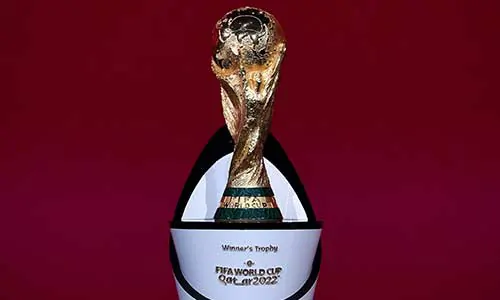
For football fans and historians alike, understanding the FIFA World Cup Trophy History: Who Owns and Keeps the Original Cup? is essential to grasping the true legacy of the world’s most prestigious sporting tournament. The golden icon hoisted by victorious captains represents the pinnacle of athletic achievement, yet its journey is filled with mystery, dramatic thefts, and strict global regulations.
Every four years, the entire world watches as one nation claims ultimate footballing glory. However, the physical trophy held high during the post-match celebrations does not actually travel home permanently with the winning team. Instead, a complex set of protocols dictates how the prize is handled, who is allowed to touch it, and where the original masterpiece resides between tournaments.
This comprehensive guide explores the deep origins, artistic transitions, and official rules governing this legendary prize. By looking back at the historic milestones, we can discover the fascinating truth behind who owns and maintains the physical symbol of global football supremacy.
Table of Contents
- 1. The Golden Era: The Jules Rimet Trophy (1930–1970)
- 2. The Modern Icon: Design and Composition of the Current Trophy
- 3. FIFA World Cup Trophy History: Who Owns and Keeps the Original Cup?
- 4. What Do the Winners Actually Keep? The Replica Rules
- 5. Security, Travel, and the Elite Touching Rule
- 6. Historical Timeline of World Cup Trophy Milestones
- 7. Conclusion and Final Thoughts
1. The Golden Era: The Jules Rimet Trophy (1930–1970)
Before the current gold sculpture became globally recognized, the tournament’s victors lifted a completely different prize. Originally named “Victory,” this first trophy was later renamed the Jules Rimet Trophy in 1946 to honor the visionary FIFA President who helped establish the tournament. Designed by French sculptor Abel Lafleur, the statuette depicted Nike, the ancient Greek goddess of victory, holding an octagonal cup overhead.
Furthermore, the physical composition of the Jules Rimet Trophy was quite distinct from today’s version. It stood 35 centimeters tall, weighed approximately 3.8 kilograms, and was constructed from gold-plated sterling silver resting on a blue lapis lazuli base. As the tournament grew in popularity, this small statuette became the ultimate prize for rising football nations.
During World War II, the trophy faced its first major threat of disappearance. To prevent occupying forces from seizing the gold, FIFA Vice-President Ottorino Barassi secretly removed the trophy from a bank vault in Rome. He hid it in a simple shoebox under his bed for several years, ensuring its safety until the tournament resumed in 1950.
However, the drama surrounding the Jules Rimet Trophy only intensified during the post-war era. In 1966, just months before the tournament was set to begin in England, the trophy was stolen from a public exhibition in Westminster. Fortunately, a heroic dog named Pickles discovered the wrapped package sniffing around a suburban garden in South London, saving the host nation from major international embarrassment.
In 1970, Brazil won its third World Cup title in Mexico. Under the FIFA rules of that era, any nation that won the tournament three times was granted permanent ownership of the original trophy. Consequently, the Jules Rimet Trophy was officially retired and sent to Rio de Janeiro to be kept permanently by the Brazilian Football Confederation (CBF).
Unfortunately, this historic artifact met a tragic end. In 1983, thieves successfully bypassed security at the CBF headquarters in Rio and stole the original trophy once again. Despite extensive police investigations, the original Jules Rimet Trophy was never recovered. Historians and authorities generally believe that the thieves melted down the precious gold-plated sterling silver, leaving the world with only replica versions of the original masterpiece.
2. The Modern Icon: Design and Composition of the Current Trophy
Following the permanent transfer of the Jules Rimet Trophy to Brazil in 1970, FIFA required a brand-new design for the 1974 tournament in West Germany. The governing body launched a global design competition, receiving fifty-three unique submissions from sculptors representing fifteen different countries. Ultimately, the commission was awarded to the renowned Italian artist Silvio Gazzaniga.
Gazzaniga’s masterpiece represented a significant stylistic departure from the traditional cup design. His sculpture depicts two human figures rising in dynamic spirals from the base, stretching upward to support a detailed replica of the Earth. According to the artist, the design was intended to capture the raw energy, tension, and joy of athletic victory at the exact moment of triumph.
To understand the physical value of this iconic prize, we must examine its unique material composition:
- Height: 36.5 centimeters (14.4 inches)
- Weight: 6.175 kilograms (13.6 pounds)
- Materials: 18-karat (75%) solid gold
- Base: Two distinct bands of semi-precious green malachite
While the trophy is often described as solid gold, scientists have noted that it must actually be hollow inside the main body. If the entire structure were solid gold from the base to the top, it would weigh approximately 70 to 80 kilograms. Such extreme weight would make it virtually impossible for victorious athletes to lift over their heads during the post-match celebrations.
In addition to its beautiful golden curves, the base of the trophy features a detailed system for recording tournament history. The bottom disc is engraved with the names of every winning nation since 1974, written in the native language of each victorious country. This historic surface has enough space to accommodate the names of winners up until the 2038 FIFA World Cup, after which a new arrangement or base expansion will be required.
3. FIFA World Cup Trophy History: Who Owns and Keeps the Original Cup?
Given the immense cultural and monetary value of the modern prize, many fans wonder about its true custody. In the modern era of FIFA World Cup Trophy History: Who Owns and Keeps the Original Cup?, the strict answer is that the original trophy is owned exclusively by FIFA, and no country is ever permitted to keep it permanently.
This policy marks a major shift from the rules that governed the Jules Rimet era. After the theft and loss of the original Brazilian prize, FIFA modified its official statutes to ensure that the modern trophy remains a singular, permanent piece of global heritage. Under the current regulations, the physical original cannot be won outright or kept by any member association, regardless of how many titles they secure.
Instead, the physical masterpiece is kept under high security at the FIFA Museum in Zurich, Switzerland. It remains on public display for most of the year, allowing fans from around the world to view the iconic symbol of football history. The original trophy only leaves its secure home in Switzerland for specific, highly controlled promotional events, official tours, and the final match of each tournament.
Consequently, even the reigning world champions do not get to take the original solid gold trophy back to their home country. After the final whistle, the genuine gold trophy is brought onto the pitch for the presentation ceremony, allowing the winning players to experience the ultimate thrill of lifting the real prize. However, almost immediately after the television cameras stop rolling, the original is retrieved by FIFA officials and returned to secure storage.
The Legal Framework: FIFA World Cup Trophy History: Who Owns and Keeps the Original Cup?
To understand the official ownership structure, one must look at the formal rules established by the sport’s governing body. The legal framework surrounding the FIFA World Cup Trophy History: Who Owns and Keeps the Original Cup? is clearly outlined in the official FIFA World Cup regulations. These documents state that the original trophy is the permanent property of FIFA and must be returned to their headquarters upon demand.
This strict legal custody ensures that the trophy remains an impartial symbol of global achievement. By retaining absolute ownership, FIFA prevents the commercialization or unauthorized replication of the original piece, protecting its prestige for future generations of players and fans alike.
4. What Do the Winners Actually Keep? The Replica Rules
Because the original trophy must return to Switzerland shortly after the final match, the winning association is not left empty-handed. To honor their incredible achievement, FIFA awards the victorious nation a special, permanent replacement known officially as the FIFA World Cup Winner’s Trophy.
While this replacement looks nearly identical to the original at a distance, there are several key differences in its craftsmanship and materials:
- Material: Instead of solid 18-karat gold, the winner’s replica is made of bronze plated with a thick layer of gold.
- Engraving: The replica features the specific year, host country, and winning team name engraved directly on its front face, rather than on the bottom disc.
- Weight and Feel: Though highly detailed, the replica is slightly lighter than the original due to its bronze core.
This high-quality replica is manufactured by the historic GDE Bertoni workshop in Milan, Italy. This is the very same workshop that originally cast Silvio Gazzaniga’s design in the 1970s. The artisans at Bertoni carefully craft each replica to ensure it maintains the visual brilliance and emotional impact of the original piece.
Once awarded, this golden replica belongs permanently to the winning nation’s national football association. It is typically displayed at the association’s headquarters, toured around the country for public exhibitions, or placed in a national sports museum for fans to admire. This compromise allows countries to celebrate their historic triumphs permanently while keeping the original safe under FIFA’s direct control.
5. Security, Travel, and the Elite Touching Rule
As one of the most recognizable and valuable objects on Earth, the original trophy requires extraordinary security measures whenever it travels. To protect the artifact, FIFA utilizes armored transport vehicles, specialized security teams, and custom-made travel cases designed to withstand severe physical impacts and environmental changes.
The primary global showcase for the original trophy is the FIFA World Cup Trophy Tour, sponsored by Coca-Cola. This massive marketing campaign brings the authentic solid gold sculpture to dozens of countries across multiple continents. During these tours, the trophy is displayed inside protective glass enclosures, under the constant supervision of armed guards and specialized security personnel.
Moreover, the exclusivity of the trophy is maintained through a very strict rule regarding who is actually permitted to touch the physical object. According to official FIFA protocol, only a highly exclusive group of people can handle the original trophy with their bare hands:
- Active or former World Cup winning players: Athletes who have actually earned the title on the pitch.
- Heads of State: Presidents, Prime Ministers, and reigning monarchs representing their nations.
All other individuals, including FIFA staff members, event organizers, and presenting celebrities, must wear protective white gloves whenever they are required to move or handle the trophy. This rule preserves both the physical condition of the gold and the profound symbolic value of holding the ultimate prize in sports.
When celebrities or fans violate this protocol, it often sparks significant controversy. For instance, during the 2022 World Cup final in Qatar, a famous chef managed to gain access to the pitch and was seen touching, kissing, and holding the original trophy. This incident drew widespread criticism from fans and sports analysts, highlighting the deep respect and protective feelings that the global football community maintains for this historic treasure.
6. Historical Timeline of World Cup Trophy Milestones
To help visualize the rich timeline of this legendary prize, the table below outlines the key moments in the history of both the Jules Rimet and the modern FIFA World Cup trophies:
| Year | Key Historical Event | Trophy Involved |
|---|---|---|
| 1930 | The inaugural tournament is held in Uruguay; the “Victory” cup is introduced. | Jules Rimet Trophy |
| 1939–1945 | Ottorino Barassi hides the trophy in a shoe box under his bed to protect it during WWII. | Jules Rimet Trophy |
| 1966 | The trophy is stolen in London and recovered in a garden by Pickles the dog. | Jules Rimet Trophy |
| 1970 | Brazil wins their third title and is awarded the original trophy permanently. | Jules Rimet Trophy |
| 1974 | Silvio Gazzaniga’s modern design is introduced for the West Germany tournament. | Modern FIFA World Cup Trophy |
| 1983 | The retired Jules Rimet Trophy is stolen in Rio de Janeiro and never recovered. | Jules Rimet Trophy |
| 2006 | FIFA implements the rule that the original trophy can no longer be kept by winners. | Modern FIFA World Cup Trophy |
This timeline highlights how the journey of the World Cup prize has evolved from a simple silver-gilt statuette hidden in a shoe box to an invaluable golden icon protected by state-of-the-art security systems and global regulations.
7. Conclusion and Final Thoughts
In conclusion, tracing the FIFA World Cup Trophy History: Who Owns and Keeps the Original Cup? reveals a story deeply connected to global history, art, and sport. While the historic Jules Rimet Trophy fell victim to theft and misfortune, its modern successor stands secure as a symbol of absolute excellence. Managed directly by FIFA and safely housed in Zurich, the solid gold masterpiece continues to inspire millions of dreamers across the globe.
Although victorious national teams must ultimately say goodbye to the genuine gold trophy shortly after their celebration, the official replicas they take home remain powerful reminders of historical sporting achievement. This system of strict custody ensures that the original golden icon remains preserved, untarnished, and ready to welcome the next generation of football legends.
What do you think about the strict rules surrounding the original World Cup trophy? Should winning nations be allowed to keep the original, or does FIFA’s current policy help protect the magic of the prize? Let us know your thoughts in the comments below, and feel free to share this deep dive with your fellow football fans!
To learn more about historic football tournaments and the evolution of global sports regulations, check out the official historical archives on FIFA.com or explore the detailed sporting encyclopedias at Encyclopedia Britannica.
Frequently Asked Questions
Q1: Is the original FIFA World Cup Trophy made of solid gold?
A: Yes, it is made of 18-karat solid gold, but it is hollow on the inside. If the trophy were completely solid throughout its structure, it would weigh approximately 70-80 kilograms, making it far too heavy for winning players to lift comfortably.
Q2: Who is officially allowed to touch the original World Cup Trophy?
A: Under strict FIFA security protocols, only active or former World Cup winning players and official Heads of State are permitted to touch the original solid gold trophy without wearing protective gloves.
Q3: Where is the original FIFA World Cup Trophy kept between tournaments?
A: The original trophy is kept under high security at the FIFA Museum in Zurich, Switzerland. It is on public display there for most of the year, except when it is traveling for official promotional tours or tournament matches.
Q4: Why was the Jules Rimet Trophy permanently given to Brazil?
A: Under the original tournament rules, any country that won the World Cup three times was granted permanent ownership of the trophy. Brazil achieved this milestone in 1970, which led to them keeping the original Jules Rimet Trophy permanently.
Q5: Was the stolen Jules Rimet Trophy ever found?
A: No, the original Jules Rimet Trophy, which was stolen from the Brazilian Football Confederation headquarters in Rio de Janeiro in 1983, was never recovered. It is widely believed to have been melted down by the thieves for its precious metal value.
Q6: What do World Cup winners receive instead of the original trophy?
A: Winning nations receive the official FIFA World Cup Winner’s Trophy, which is a highly detailed replica. Unlike the original solid gold version, this permanent replica is crafted from bronze and plated with a thick layer of gold.