Football Pitch Maintenance Explained: Natural Grass vs Hybrid Turf
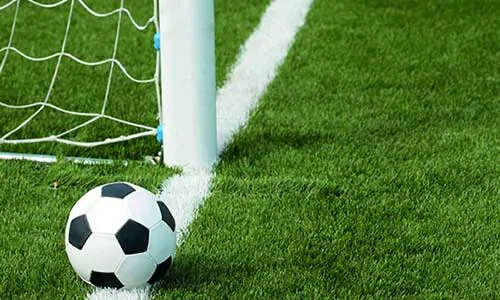
In the modern era of professional sports, the quality of the playing surface is just as critical as the players’ skills. Whether it is a local community ground or a multi-million dollar stadium, the turf serves as the foundation for every tackle, sprint, and goal. When we look at Football Pitch Maintenance Explained: Natural Grass vs Hybrid Turf, we see a complex intersection of biology, engineering, and agronomy. The transition from traditional mud-prone fields to high-tech “living carpets” has revolutionized the game, but it has also changed the way groundkeepers manage their daily workloads.
Understanding the nuances of pitch care is essential for club owners, facilities managers, and turf enthusiasts alike. While natural grass offers that classic feel and scent, hybrid systems provide the stability needed for high-intensity schedules. In this comprehensive guide, we will explore the intricate details of maintaining both surfaces to ensure peak performance and player safety throughout the grueling football season.
- The Evolution of Football Surfaces
- Core Principles of Natural Grass Pitch Maintenance
- Understanding Hybrid Turf Technology
- Football Pitch Maintenance Explained: Natural Grass vs Hybrid Turf Comparison
- Seasonal Challenges and Solutions
- Essential Equipment for Modern Groundskeeping
- Impact on Player Safety and Ball Biomechanics
- Financial Considerations: CAPEX vs OPEX
- Frequently Asked Questions
- Conclusion and Final Verdict
The Evolution of Football Surfaces
Historically, football was played on whatever patch of land was available. This often meant uneven surfaces that turned into “quagmires” during the winter months. However, as the commercial stakes of football rose, so did the demand for consistent surfaces. This demand led to the refinement of natural grass management and eventually the birth of hybrid technology.
The journey from basic mud to the “Desso GrassMaster” style systems represents a massive leap in sports science. Today, the choice between natural and hybrid is often dictated by the number of playing hours required and the local climate. Consequently, groundstaff must be more than just “gardeners”; they are now turf technicians who manage lighting rigs, advanced drainage, and soil sensors.
Core Principles of Natural Grass Pitch Maintenance
Maintaining a 100% natural grass pitch is an art form. It requires a deep understanding of soil chemistry and grass species, usually Perennial Ryegrass (Lolium perenne) in European climates. The primary goal of Football Pitch Maintenance Explained: Natural Grass vs Hybrid Turf in a natural context is to foster deep root growth to withstand the physical shearing force of players’ cleats.
Mowing and Height of Cut
Frequency is key. During the growing season, a professional pitch might be mown daily. Keeping the grass at a consistent height (usually between 22mm and 30mm) ensures that the ball rolls predictably. Furthermore, using cylinder mowers instead of rotary mowers provides a cleaner cut, which reduces the risk of grass diseases by minimizing the “wound” on the leaf blade.
Aeration and Decompaction
Soil compaction is the enemy of healthy grass. When thousands of footsteps press down on the soil, air pockets collapse, leading to poor drainage and weak roots. Groundkeepers use “verti-draining” or “slitting” to punch holes into the surface. This process allows oxygen to reach the roots and helps water move through the profile, preventing the dreaded “puddling” during heavy rain.
Nutrient Management
A high-performance pitch is a hungry beast. Regular soil testing is required to monitor Nitrogen (N), Phosphorus (P), and Potassium (K) levels. In addition to these macronutrients, micronutrients like Iron (Fe) are often applied to give the pitch that deep “TV-ready” green color. However, over-fertilization can lead to excessive thatch buildup, making the surface “spongy” and unstable.
Understanding Hybrid Turf Technology
Hybrid turf is not “artificial grass.” Rather, it is a natural grass surface reinforced by synthetic fibers. These fibers, usually injected 18-20cm deep into the sand profile, act as an anchor for the natural grass roots. This ensures that even if the grass plant is damaged during a match, the surface remains flat and intact.
The Two Main Types of Hybrid Systems
- Stitched Systems: Individual synthetic fibers are “sewn” into the rootzone at 2cm intervals. This is the gold standard for top-tier stadiums.
- Carpet-Based Systems: A synthetic backing with fibers is laid down, and natural grass grows through it. These are often easier to install but require different maintenance techniques.
Because the synthetic fibers occupy space and provide structure, they prevent the soil from shifting. Therefore, even in the middle of a heavy rainstorm, a hybrid pitch rarely develops the deep divots seen on natural grass. This reliability is why almost every Premier League and Champions League club has adopted hybrid technology.
Football Pitch Maintenance Explained: Natural Grass vs Hybrid Turf Comparison
While the basics of mowing and feeding remain similar, the specialized care for hybrid systems involves more technological intervention. For instance, hybrid pitches are almost always built on a sand-based rootzone rather than soil. This means they drain incredibly fast but also dry out quickly, requiring sophisticated irrigation management.
| Feature | Natural Grass | Hybrid Turf |
|---|---|---|
| Usage Capacity | Approx. 4-6 hours per week | Up to 20+ hours per week |
| Recovery Speed | Slow (requires rest) | Fast (fibers hold structure) |
| Initial Cost | Moderate | High (Specialized machinery) |
| Divot Production | High | Minimal |
In terms of Football Pitch Maintenance Explained: Natural Grass vs Hybrid Turf, the hybrid pitch requires specialized “cleaning” machines. These machines use vacuum or brush systems to remove debris (like broken grass blades) without damaging the synthetic fibers. On the other hand, natural grass maintenance relies more on traditional scarification to manage the organic matter buildup.
Seasonal Challenges and Solutions
No matter the surface, the weather is the groundkeeper’s biggest challenge. In the winter, the lack of sunlight prevents grass from recovering. To solve this, professional clubs use “SGL” (Stadium Grass Lighting) rigs. These mobile lights mimic the sun’s spectrum, allowing the grass to grow even in the middle of a dark European winter.
In the summer, the challenge flips to heat stress and hydration. For hybrid pitches, the sand-based profile can reach high temperatures, which might “cook” the roots. Groundkeepers often use fans to circulate air across the surface and sub-air systems to pull moisture away or push oxygen up through the drainage pipes. This level of climate control is essential for maintaining the balance between the living plant and the synthetic reinforcement.
Essential Equipment for Modern Groundskeeping
The machinery used in Football Pitch Maintenance Explained: Natural Grass vs Hybrid Turf has become incredibly sophisticated. Gone are the days of a simple tractor. Today’s arsenal includes:
- Pedestrian Mowers: For precision cutting without the weight of a ride-on machine.
- Verti-Drains: For deep tine aeration.
- Light Rigs: To provide photosynthetic active radiation (PAR).
- Moisture Meters: Sensors like “POGO” or “TDR” to measure volumetric water content and salinity.
- Brushing Units: Specifically for hybrid pitches to keep the synthetic fibers standing upright.
In addition to physical tools, software plays a huge role. Many stadiums now use “Pitch Management Software” that tracks every gram of fertilizer applied, every hour of light used, and every millimeter of rain that falls. This data-driven approach allows for predictive maintenance rather than reactive repairs.
Impact on Player Safety and Ball Biomechanics
From a player’s perspective, the surface is about “traction” and “hardness.” A pitch that is too hard increases the risk of concussions and joint injuries. A pitch that is too soft or “slick” leads to groin strains and ACL tears. Hybrid pitches are generally considered safer for consistent play because they provide a stable “grip” that doesn’t give way unexpectedly.
Furthermore, ball roll and bounce are more consistent on hybrid surfaces. On 100% natural grass, a slight bump or a worn-out goal area can cause the ball to bobble, potentially changing the outcome of a match. By integrating synthetic fibers, the surface remains uniform from the 1st minute to the 90th minute, which is why professional leagues favor them heavily.
Financial Considerations: CAPEX vs OPEX
When analyzing Football Pitch Maintenance Explained: Natural Grass vs Hybrid Turf, we must look at the finances. A hybrid pitch is a significant Capital Expenditure (CAPEX). The installation can cost anywhere from $500,000 to over $1 million depending on the technology used. Natural grass is significantly cheaper to install but can be more expensive in terms of Operational Expenditure (OPEX) if it needs to be “re-turfed” every season due to overuse.
For a club that hosts multiple events (concerts, rugby, youth matches), the hybrid pitch pays for itself. The ability to generate revenue from 50 events a year versus only 15 on natural grass makes the hybrid option a clear winner for commercial entities. However, for smaller clubs with limited budgets, a well-managed natural grass pitch remains the most sustainable and romantic choice.
Frequently Asked Questions
1. How long does a hybrid pitch last?
Typically, the synthetic fibers in a hybrid pitch have a lifespan of 8 to 10 years. However, the natural grass component is renovated annually (stripped off and replanted) to keep the surface fresh.
2. Can you use hybrid turf in hot climates?
Yes, but it requires a very robust irrigation system. Because hybrid pitches are sand-based, they do not retain water like clay-based natural soils, so they need more frequent watering in heat.
3. Why is “divotting” less of a problem on hybrid pitches?
The grass roots intertwine with the vertical synthetic fibers. When a player slides, the fibers hold the soil and rootzone together, preventing the grass from being “ripped out.”
4. Is natural grass better for the environment?
In some ways, yes. It has no plastic content. However, hybrid pitches can be more sustainable in the long run because they require fewer full-scale renovations and less heavy machinery for repairs.
5. Do hybrid pitches feel like artificial turf?
No. To a player, a high-quality hybrid pitch feels 100% natural. The synthetic fibers are usually buried slightly below the grass leaf, so the foot only makes contact with the natural grass.
6. How often should a pitch be aerated?
Professional pitches are aerated at least once a month during the growing season, with deep aeration occurring 2-3 times a year to ensure the sub-structure remains porous.
Conclusion and Final Verdict
In the debate of Football Pitch Maintenance Explained: Natural Grass vs Hybrid Turf, there is no one-size-fits-all answer. Natural grass remains the gold standard for purity and low initial cost, offering a classic playing experience that many still prefer. However, for the modern multi-use stadium where “performance density” is the goal, hybrid turf is the undisputed champion.
Successful pitch management comes down to the dedication of the groundstaff and the investment in the right technology. By understanding the specific needs of each surface—from pH balancing in natural soil to fiber management in hybrid systems—clubs can ensure their field is a theater of dreams rather than a nightmare of mud. Whether you choose the tradition of natural blades or the innovation of hybrid fibers, consistent maintenance is the secret ingredient to a world-class game.
Ready to upgrade your facility? Consult with a turf specialist today to determine which surface fits your budget and usage requirements. For more information on professional standards, visit the FIFA Quality Programme for Natural Turf or explore the Grounds Management Association for best practices.