UEFA Away Goals Rule: Why It Was Removed and What Changed
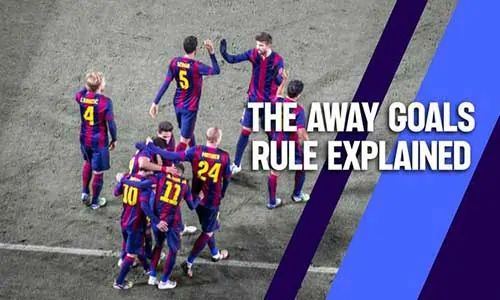
For over fifty years, European football knockout matches were defined by a unique tactical puzzle. The away goals rule sat at the heart of every two-legged tie, creating immense drama, heartbreak, and strategic complexity across the continent. However, the footballing landscape changed forever when European football’s governing body made a historic decision to scrap this decade-long regulation ahead of the 2021/22 season .
In this analytical guide, we explore the legacy of the UEFA Away Goals Rule: Why It Was Removed and What Changed in modern football. We will examine the historical context, the primary reasons behind its abolition, and the tactical shifts that have occurred since its departure.
Table of Contents
- 1. The Origin and Purpose of the Away Goals Rule
- 2. Understanding the Legacy of the UEFA Away Goals Rule: Why It Was Removed and What Changed
- 3. Core Reasons Why the Rule Was Removed
- 4. Tactical Impacts on Modern Football: The UEFA Away Goals Rule: Why It Was Removed and What Changed
- 5. Unpacking the Statistical Evidence: The UEFA Away Goals Rule: Why It Was Removed and What Changed
- 6. The New System: What Replaced the Away Goals Rule?
- 7. Historic Matches Defined by the Away Goals Rule
- 8. Pros and Cons of the New Format
- 9. Frequently Asked Questions (FAQs)
1. The Origin and Purpose of the Away Goals Rule
To understand why the rule was eventually discarded, we must first look at why it was introduced. In the mid-1960s, travelling across Europe was a massive challenge for football teams . Air travel was not as advanced, hotel accommodations were highly inconsistent, and playing surfaces varied wildly in quality.
Consequently, playing away from home in European competitions was incredibly daunting. Most visiting teams adopted an ultra-defensive approach, often referred to as “parking the bus.” They aimed to secure a 0-0 draw or minimize damage, making matches dull and defensive.
In response, UEFA introduced the away goals rule in the 1965/66 European Cup Winners’ Cup . The rule dictated that if the aggregate score of a two-legged tie was level after 180 minutes, the team that scored more goals away from home would progress . This incentivized visiting teams to attack, fundamentally changing the dynamics of European football.
2. Understanding the Legacy of the UEFA Away Goals Rule: Why It Was Removed and What Changed
For decades, the rule worked exactly as intended. It created a highly tense atmosphere where an away goal could completely turn a tie on its head. However, as the decades progressed, the nature of global football changed dramatically, rendering the rule increasingly obsolete.
Specifically, the gap between home and away performance began to close. Technological advancements in travel, highly standardized pitches, the introduction of video technology (VAR), and extensive scouting made away fixtures far less intimidating than they were in the 1960s.
Therefore, in June 2021, UEFA officially announced the complete removal of the rule across all club competitions, including the Champions League and Europa League . When exploring the UEFA Away Goals Rule: Why It Was Removed and What Changed, it is clear that UEFA aimed to restore fairness and encourage a more natural style of attacking play from both sides.
3. Core Reasons Why the Rule Was Removed
The decision to abolish the rule was not made overnight. It was the result of years of feedback from elite managers, statistical analyses, and evolving fan perspectives. Here are the primary reasons why UEFA decided to step away from the rule:
A. The Erosion of Home Court Advantage
Historically, playing at home was a massive psychological and physical advantage. However, modern football has minimized this gap. Modern transportation allows players to travel in luxury, preventing fatigue. Furthermore, pitch quality is strictly regulated by UEFA, meaning players always perform on familiar, high-quality surfaces. This has naturally made winning away from home much easier than it was fifty years ago.
B. The “Fear of Conceding” at Home
Perhaps the most critical argument against the rule was its negative psychological effect on home teams. In a first-leg match, the home team was often terrified of conceding an away goal. Consequently, managers would instruct their teams to play defensively at home, prioritizing a 0-0 draw over an adventurous win. This went entirely against the rule’s original purpose of encouraging open, attacking football.
C. Unfairness in Extra Time
Another major criticism of the rule was its application during extra time of the second leg . If the match went to extra time, the away team had an additional 30 minutes on the pitch to score a goal that effectively counted “double” . If they scored, the home team was forced to score twice to progress. This asymmetry was widely considered unfair to the home side, who had to play under extreme pressure despite earning the right to host the second leg.
4. Tactical Impacts on Modern Football: The UEFA Away Goals Rule: Why It Was Removed and What Changed
The elimination of the rule has had a profound impact on how elite managers prepare for knockout ties. In the past, the “first leg away, second leg home” format was considered the ideal draw. Today, that psychological advantage has largely diminished.
Under the new system, home teams in the first leg can play with much more freedom. They no longer have to worry about the catastrophic damage of conceding a single away goal. Instead, teams can focus entirely on winning the match on the night. Consequently, we have seen far more open, high-scoring first legs in recent UEFA Champions League campaigns.
On the other hand, visiting teams in the second leg can no longer rely on a tactical safety net. In the past, an away team trailing 2-0 could score a late goal to completely shift the momentum of the tie. Now, every goal is worth exactly the same, requiring teams to adopt more consistent, possession-based strategies.
Indeed, academic sports science studies have highlighted these shifts. Researchers analyzing the tactical changes under the UEFA Away Goals Rule: Why It Was Removed and What Changed found a significant decrease in desperate long passes, progressive passes, and counterattacks . Instead, teams favor controlled possession and structured build-up play, as the frantic risk-taking associated with chasing or defending away goals is no longer necessary.
5. Unpacking the Statistical Evidence: The UEFA Away Goals Rule: Why It Was Removed and What Changed
To fully comprehend the shift, we must look at the hard data that guided UEFA’s decision-making process. The decline of the home-court advantage is not just a subjective observation; it is a statistically proven trend.
In the mid-1970s, home teams won roughly 61% of matches in European competitions, while away teams won only 19% . Furthermore, the average number of goals scored per match by home teams was significantly higher than those scored by visiting teams.
By the time of the rule’s removal in 2021, the statistical gap had narrowed dramatically. Home wins had dropped to around 47%, while away wins rose to 30%. This dramatic shift convinced the UEFA Club Competitions Committee that giving extra weight to away goals was no longer appropriate or sporting.
When analyzing the UEFA Away Goals Rule: Why It Was Removed and What Changed, we can clearly see the historic trajectory of goal-scoring trends in the table below:
| Era / Metric | Home Win % | Away Win % | Key Tactical Focus |
|---|---|---|---|
| 1970s (Early Rule Era) | 61% | 19% | Aggressive home displays; ultra-defensive away tactics. |
| 2010s (Late Rule Era) | 47% | 30% | Cautious home displays; structured away counter-attacks. |
| Modern Era (Post-Abolition) | Balanced | Balanced | Open, attacking play in both legs; focus on overall goal difference. |
6. The New System: What Replaced the Away Goals Rule?
The rules governing tied matches are now much simpler. If the aggregate score is level after the conclusion of the second leg, the match proceeds directly to extra time . This consists of two 15-minute periods played at the end of the second match .
Importantly, during these 30 minutes of extra time, away goals do not carry any special weight . If the away team scores in extra time, the home team only needs to score once to draw level again. If the scores remain tied after 30 minutes, a penalty shootout is used to determine the winner .
This approach simplifies the game significantly for casual viewers. Many fans struggled with the mathematics of the old rule, especially in highly tense moments. Now, the math is incredibly straightforward: the team with more goals wins. If the goals are equal, the match continues until a winner is decided on the pitch.
7. Historic Matches Defined by the Away Goals Rule
While the rule had its flaws, it undoubtedly produced some of the most dramatic and unforgettable moments in sports history. Over the years, several giant clubs suffered agonizing exits or celebrated miraculous triumphs because of this tie-breaker.
- Chelsea vs. Barcelona (2009 Semifinals): After a 0-0 draw at the Camp Nou, Chelsea led 1-0 at Stamford Bridge. However, Andrés Iniesta’s legendary 93rd-minute strike drew the game 1-1, sending Barcelona to the final on away goals.
- Roma vs. Barcelona (2018 Quarterfinals): Barcelona won the first leg 4-1 at home. However, Roma’s crucial away goal in Spain kept their hopes alive. In the return leg, Roma secured an iconic 3-0 home victory, progressing on away goals in one of the greatest comebacks in Champions League history.
- Tottenham vs. Ajax (2019 Semifinals): Ajax won the first leg 1-0 in London and led 2-0 in Amsterdam. Lucas Moura scored a stunning second-half hat-trick, with his final goal in the 96th minute securing a 3-2 win (3-3 aggregate). Tottenham advanced to the final on away goals.
These matches are etched in football history. Under the modern rules, all of these matches would have proceeded to extra time rather than ending with immediate, dramatic celebrations. While some fans miss this instant drama, others argue that the new system is far fairer and rewards sustained athletic excellence.
8. Pros and Cons of the New Format
Every major rule change has its benefits and drawbacks. The decision to abolish the away goals rule is no exception. Here is a balanced look at the advantages and disadvantages of the current system:
Advantages:
- Fairness in Extra Time: Eliminates the unfair advantage previously given to away teams during the extra 30 minutes of play.
- More Attacking First Legs: Home teams in the first leg can play aggressively without the paralyzing fear of conceding an away goal.
- Simplicity: The rules are highly intuitive for fans, players, and referees alike.
- More Extra Time Drama: Fans get to experience more extra time periods and penalty shootouts, which are incredibly exciting.
Disadvantages:
- Loss of Late Drama: We no longer experience the unique tension of a single away goal completely reversing the fate of a tie in the dying seconds.
- Player Fatigue: More matches going to extra time increases the physical toll on players during an already congested football calendar.
- Conservative Extra Time: Some teams may choose to play highly defensively during extra time, preferring to rely on a penalty shootout rather than risking a mistake.
Ultimately, the consensus among football experts and Sky Sports Football analysts is that the change has elevated the competitive integrity of the sport, even if it has slightly altered the unique flavor of European knockout nights.
9. Frequently Asked Questions (FAQs)
Q1: In what year was the UEFA away goals rule officially removed?
The rule was officially removed in June 2021, and the change came into effect at the start of the 2021/22 European club competition season .
Q2: What happens now if a Champions League tie is tied on aggregate?
If the aggregate score is tied after 180 minutes of play, the match goes directly into two 15-minute halves of extra time . If the score remains level, a penalty shootout determines the winner .
Q3: Does the removal of the away goals rule apply to all UEFA competitions?
Yes. The rule change applies to all men’s, women’s, and youth club competitions, including the Champions League, Europa League, and Europa Conference League .
Q4: Why was the away goals rule considered unfair during extra time?
It was considered unfair because the away team had an extra 30 minutes in the second leg to score a goal that would force the home team to score twice, giving the visitors an unbalanced advantage .
Q5: Did the away goals rule actually discourage attacking football in modern times?
Yes. Statistically, home teams in the first leg played defensively to prevent conceding an away goal, which completely countered the rule’s original purpose of promoting attacking football .
Q6: Has the number of penalty shootouts increased since the rule was removed?
Yes. Because aggregate draws can no longer be resolved by away goals, more knockout matches are extending into extra time and penalty shootouts than in previous decades.
10. Conclusion & Call to Action
The abolition of the away goals rule represents a major milestone in the evolution of European football. While the rule provided decades of unforgettable, heart-stopping drama, its removal has leveled the playing field, restored fairness to extra time, and encouraged teams to play without fear.
By eliminating the tactical obsession with away goals, UEFA has allowed football to return to its simplest form: a game where the team that scores the most goals over 180 minutes progresses to the next round.
What are your thoughts on this change? Do you prefer the fairness of the new system, or do you miss the unique late-game drama that only away goals could provide? Let us know your thoughts in the comments section below!