Why the Rose Bowl Was Not Selected for Major FIFA World Cup 2026 Matches
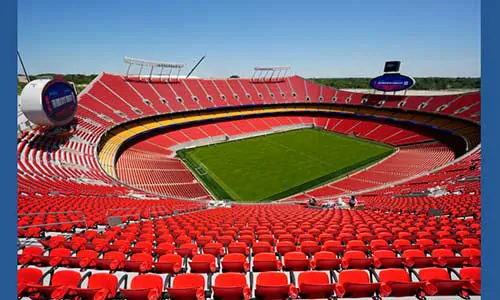
When North America was selected to host the highly anticipated 2026 tournament, soccer purists immediately envisioned a triumphant return to Pasadena’s most famous sporting monument. After all, this legendary venue hosted the iconic 1994 final where Brazil defeated Italy in a dramatic penalty shootout. However, when the final host cities and venues were officially announced, the omission of this historic arena left many fans deeply disappointed. Consequently, sports enthusiasts worldwide began asking: Why the Rose Bowl Was Not Selected for Major FIFA World Cup 2026 Matches? In this exhaustive analysis, we will explore the structural, commercial, and logistical reasons behind this massive decision.
Table of Contents
- The Historical Legacy of Pasadena’s Soccer Cathedral
- Understanding Why the Rose Bowl Was Not Selected for Major FIFA World Cup 2026 Matches
- The Rivalry: SoFi Stadium vs. The Rose Bowl
- FIFA’s Luxury Suite and Corporate Hospitality Demands
- Infrastructure Hurdles: Why the Rose Bowl Was Not Selected for Major FIFA World Cup 2026 Matches
- The Demanding Financial Model of Modern World Cups
- Logistics, Traffic, and Transit Bottlenecks in the Arroyo Seco
- The Pitch Width Paradox: A Point of Irony
- Detailed Venue Comparison: SoFi Stadium vs. Rose Bowl
- What Lies Ahead for Soccer at the Rose Bowl?
- Conclusion: A Shift in Sports Architecture Priorities
- Frequently Asked Questions (FAQs)
The Historical Legacy of Pasadena’s Soccer Cathedral
To truly appreciate the weight of the Rose Bowl’s omission, one must first understand its unrivaled status in global football history. Nestled in the beautiful Arroyo Seco of Pasadena, California, the stadium has been a focal point of American sporting culture since opening in 1922. Over the decades, it has hosted multiple Olympic gold medal matches, five Super Bowls, and hundreds of legendary college football contests. For soccer fans, however, the stadium is nothing short of hallowed ground.
Specifically, the Rose Bowl was the absolute crown jewel of the 1994 FIFA World Cup. It hosted eight highly critical matches during that tournament, including the historic, scoreless final between Brazil and Italy. Just five years later, it welcomed the world again for the 1999 FIFA Women’s World Cup, culminating in Brandi Chastain’s iconic penalty kick that secured victory for the United States. Therefore, the arena possesses a soccer heritage that very few stadiums anywhere in the world can replicate.
Nonetheless, modern soccer tournament organization relies on much more than pure nostalgia. While fans clung to the memories of 1994, FIFA organizers had to focus on the operational realities of the present day. As a result, the stadium’s historical dominance was ultimately eclipsed by the rapid evolution of sports entertainment infrastructure. This fundamental transition set the stage for the historic Pasadena venue to be bypassed for the 2026 tournament.
Understanding Why the Rose Bowl Was Not Selected for Major FIFA World Cup 2026 Matches
To analyze the situation clearly, we must recognize that the selection process was highly competitive. Initially, a joint bid committee attempted to secure hosting rights for both SoFi Stadium and the Rose Bowl. This ambitious proposal aimed to utilize the historical appeal of Pasadena alongside the futuristic grandeur of Inglewood. However, FIFA executives ultimately determined that focusing on a single, state-of-the-art venue in the Los Angeles metropolitan area was the most efficient logistical path.
Furthermore, we must examine the specific reasons why the Rose Bowl Was Not Selected for Major FIFA World Cup 2026 Matches. First and foremost, the facility’s age became an insurmountable barrier during evaluation rounds. While local authorities have poured millions into maintenance, the core architectural skeleton of the stadium remains over a century old. Consequently, upgrading the venue to meet modern international broadcasting and spectator standards was deemed cost-prohibitive.
In addition, the commercial landscape of international soccer has changed drastically since the 1990s. Today, tournaments require hyper-integrated digital infrastructure, advanced security perimeters, and specialized luxury zones. When reviewing why the Rose Bowl Was Not Selected for Major FIFA World Cup 2026 Matches, it becomes clear that retrofitting these modern necessities into a 1920s bowl-style stadium presented a logistical nightmare for stadium engineers.
The Rivalry: SoFi Stadium vs. The Rose Bowl
On the other hand, the emergence of SoFi Stadium in Inglewood completely transformed the competitive landscape of Southern California sports. Boasting a construction budget exceeding five billion dollars, SoFi Stadium represents the absolute pinnacle of modern architectural luxury. It features a unique, translucent ETFE roof that shields spectators from the elements while allowing natural light to flood the playing field.
In contrast, the Pasadena stadium remains completely open-air. In the scorching heat of a Southern California July, this layout poses serious comfort and safety risks for tens of thousands of fans. Moreover, SoFi Stadium is equipped with the revolutionary “Infinity Screen by Samsung,” a massive, double-sided 4K LED display that offers an immersive visual experience. Consequently, FIFA’s site inspectors were heavily swayed by Inglewood’s technological superiority, further detailing why the Rose Bowl Was Not Selected for Major FIFA World Cup 2026 Matches.
To read more about the official selection parameters and host city guidelines, you can visit the official FIFA website. This resource outlines the meticulous evaluation matrices applied to all prospective host venues.
FIFA’s Luxury Suite and Corporate Hospitality Demands
Corporate hospitality is the financial lifeblood of modern sports megaprojects. FIFA expects host stadiums to provide thousands of premium seats, luxury boxes, and ultra-high-end dining options for corporate sponsors and VIP guests. This commercial pressure is one of the strongest factors explaining why the Rose Bowl Was Not Selected for Major FIFA World Cup 2026 Matches.
Specifically, the Pasadena stadium relies on a single-bowl design with very limited vertical premium space. Although the Terry Donahue Pavilion was constructed in 2013 to add luxury suites, the total inventory is still remarkably small. Conversely, SoFi Stadium was engineered from day one to maximize premium revenue, featuring over 260 luxury suites and multiple exclusive club levels. Therefore, the potential for generating high-margin VIP hospitality revenue was vastly superior in Inglewood, tilting the scale permanently away from Pasadena.
Furthermore, modern corporate sponsors expect seamlessly integrated corporate exhibition spaces directly adjacent to the seating bowls. While SoFi Stadium incorporates Hollywood Park’s expansive retail and entertainment district, the Rose Bowl is surrounded primarily by a scenic golf course and residential neighborhoods. As a result, corporate activation logistics were significantly easier to manage in Inglewood, adding another piece to the puzzle of why the Rose Bowl Was Not Selected for Major FIFA World Cup 2026 Matches.
Infrastructure Hurdles: Why the Rose Bowl Was Not Selected for Major FIFA World Cup 2026 Matches
Beyond the lack of corporate amenities, basic infrastructure concerns also weighed heavily on the minds of the selection committee. A century of wear and tear has left the Pasadena icon with several structural limitations. For example, the concourses are notably narrow, leading to severe pedestrian bottlenecks during high-capacity events. In other words, moving ninety thousand fans quickly and safely around the stadium is a massive challenge.
Furthermore, when investigating why the Rose Bowl Was Not Selected for Major FIFA World Cup 2026 Matches, the standard of basic facilities cannot be ignored. The locker rooms, referee quarters, and administrative offices in Pasadena are significantly smaller than those in newer arenas. FIFA mandates expansive, modern team facilities that include hydrotherapy areas, warm-up zones, and separate media interview rooms—amenities that are built directly into SoFi Stadium’s modern layout.
Additionally, modern sports broadcasting requires massive amounts of power, fiber-optic cabling, and dedicated media centers. While Pasadena has successfully adapted to host temporary international friendlies, retrofitting the venue permanently to meet FIFA’s rigid, multi-week broadcast standards would have required an incredibly expensive overhaul. This massive upgrade cost ultimately deterred local organizers from pursuing a competitive bid, explaining why the Rose Bowl Was Not Selected for Major FIFA World Cup 2026 Matches.
The Demanding Financial Model of Modern World Cups
Another major reason why the Rose Bowl Was Not Selected for Major FIFA World Cup 2026 Matches involves the highly challenging financial terms imposed on host venues. According to statements from Rose Bowl General Manager Jens Weiden, the financial equation for hosting World Cup matches has become increasingly difficult for local municipalities and historic venues to justify.
Specifically, FIFA’s host agreements require local venues, cities, and taxpayers to completely fund all stadium-specific improvements. At the same time, the governing body retains almost all direct revenue generated from ticket sales, sponsorships, and stadium advertising. For a city-owned, historic venue like the Rose Bowl, investing tens of millions of dollars in public funds without a guaranteed return on investment was a highly risky proposition.
Consequently, municipal authorities had to think twice before committing to these stringent terms. In contrast, privately-owned venues like SoFi Stadium—backed by the immense wealth of developer and sports mogul Stan Kroenke—were in a much better position to absorb these financial demands. This stark difference in financial backing explains why the Rose Bowl Was Not Selected for Major FIFA World Cup 2026 Matches, as the city of Pasadena wisely avoided taking on immense public debt.
Logistics, Traffic, and Transit Bottlenecks in the Arroyo Seco
Logistical feasibility and transportation access are key priorities during FIFA’s site evaluation process. Pasadena is a beautiful, historic community, but its geographical topography presents distinct transit hurdles. The Pasadena stadium sits at the bottom of a deep canyon, accessible only by winding residential streets.
Specifically, during major events, traffic congestion in the surrounding neighborhoods is notoriously severe. It often takes spectators hours to exit the parking lots and reach nearby freeways. While the city coordinates efficient shuttle programs to transport fans to the closest light rail station, this multi-step transit system is far from ideal for an event of the World Cup’s massive scale. This logistical bottleneck is a critical factor in understanding why the Rose Bowl Was Not Selected for Major FIFA World Cup 2026 Matches.
In contrast, SoFi Stadium in Inglewood is strategically positioned near major highway corridors and lies only a few miles from Los Angeles International Airport (LAX). This proximity makes it incredibly convenient for international travelers, media personnel, and VIP delegates. To read a detailed report on local transit challenges during major Pasadena events, you can consult Pasadena Now, which has closely covered these logistical debates.
The Pitch Width Paradox: A Point of Irony
Interestingly, the comparison between these two venues features a major point of irony. The Rose Bowl possesses an expansive, perfectly manicured natural grass field that easily accommodates international soccer pitch dimensions. It requires absolutely no modifications to host high-level soccer matches.
On the other hand, SoFi Stadium was designed primarily for American football, resulting in a field that was initially too narrow to meet FIFA’s rigid dimensions. To make the venue eligible, stadium operators had to design a complex project to remove seats in the stadium’s corners to widen the playing field. This paradox caused significant controversy among purists. Many argued that choosing a stadium requiring demolition over a venue with a perfect, natural grass field was highly illogical. However, FIFA’s ultimate preference for modern luxury and corporate revenue over natural pitch dimensions highlights exactly why the Rose Bowl Was Not Selected for Major FIFA World Cup 2026 Matches.
Detailed Venue Comparison: SoFi Stadium vs. Rose Bowl
To summarize the major differences between these two world-class venues, we have prepared a comprehensive comparison table outlining their key features:
| Feature / Metric | SoFi Stadium (Inglewood) | Rose Bowl (Pasadena) |
|---|---|---|
| Year Opened | 2020 | 1922 |
| Roof Structure | Translucent ETFE Roof | Fully Open-Air (No Roof) |
| Luxury Suites | 260+ Suites | Highly Limited |
| Original Pitch Width | Too Narrow (Requires Alteration) | Perfect FIFA Standard |
| Distance to LAX Airport | ~4 Miles | ~34 Miles |
| Funding Source | Private Investment (Stan Kroenke) | Publicly Owned (City of Pasadena) |
The Future of Elite Soccer at the Rose Bowl
Despite understanding why the Rose Bowl Was Not Selected for Major FIFA World Cup 2026 Matches, the legendary venue remains a critical player in the global soccer landscape. It continues to serve as the premier destination for high-profile international club friendlies, attracting historic European clubs like Real Madrid, Barcelona, and Juventus for lucrative pre-season tours.
Furthermore, the venue is slated to play an active, highly prominent role in the upcoming 2028 Summer Olympic Games. Because the Olympics operate under a different financial and logistical model than FIFA, the historic charm and massive seating capacity of Pasadena make it an ideal fit for Olympic soccer matches. This upcoming role proves that even though we understand why the Rose Bowl Was Not Selected for Major FIFA World Cup 2026 Matches, the stadium’s architectural legacy remains highly respected worldwide.
In addition, local organizers continue to maintain and upgrade the stadium’s historic facilities. These preservation efforts ensure that Pasadena will always remain ready to step in for massive sporting events when needed. Consequently, while the 2026 exclusion is a temporary disappointment, it does not diminish the venue’s standing as an international soccer sanctuary.
Conclusion: A Shift in Sports Architecture Priorities
To summarize, the exclusion of Pasadena’s iconic arena from the World Cup lineup marks a major turning point in modern sports history. It clearly demonstrates a shift away from nostalgic appreciation and toward commercialization, cutting-edge technology, and high-margin VIP hospitality.
To quickly recap, the core factors explaining this decision include:
- A distinct lack of modern luxury suites and corporate hospitality infrastructure.
- Major transit bottlenecks and traffic congestion within the Arroyo Seco canyon.
- High financial upgrade demands required by FIFA’s host agreements.
- The competitive dominance of SoFi Stadium’s multi-billion dollar, climate-controlled design.
Ultimately, while it is unfortunate that we will not witness World Cup history on Pasadena’s pitch in 2026, the decision highlights the evolution of global sports entertainment. We invite you to share your thoughts in the comments below. Do you think FIFA made the right call choosing SoFi Stadium, or should they have prioritized the historic legacy of the Rose Bowl?
Frequently Asked Questions (FAQs)
Q1: What is the main reason why the Rose Bowl Was Not Selected for Major FIFA World Cup 2026 Matches?
A: The primary reasons include outdated stadium facilities, a severe lack of modern luxury hospitality suites, and high transit bottlenecks compared to the state-of-the-art SoFi Stadium in Inglewood.
Q2: Did the Rose Bowl host a World Cup final in the past?
A: Yes, the Rose Bowl successfully hosted both the 1994 Men’s World Cup Final and the 1999 Women’s World Cup Final, making it one of the most historic soccer venues in North America.
Q3: Did stadium size play a role in why the Rose Bowl Was Not Selected for Major FIFA World Cup 2026 Matches?
A: No, the Rose Bowl actually has a larger seating capacity than SoFi Stadium. However, FIFA prioritized luxury corporate infrastructure and modern amenities over raw capacity.
Q4: Is SoFi Stadium fully ready to host soccer matches without changes?
A: Ironically, SoFi Stadium was built too narrow for international soccer. It required a physical modification project to remove corner seating sections to widen the field, whereas the Rose Bowl field was already perfect.
Q5: How did financial negotiations influence why the Rose Bowl Was Not Selected for Major FIFA World Cup 2026 Matches?
A: FIFA requires venues and host cities to pay for all major upgrades, while FIFA keeps most of the direct commercial revenues. This challenging financial model was difficult for the city of Pasadena to justify.
Q6: Will the Rose Bowl host soccer matches in the future?
A: Yes, the Rose Bowl will continue to host high-profile international friendly matches and is scheduled to be a major soccer venue for the 2028 Summer Olympics in Los Angeles.